

Düsseldorf–Cologne
Two Rhineland cities forty kilometers apart, one producer's farmhouse studio, and a set of bands who decided post-war German music should not sound American.


- Kraftwerk★ Named as an influence by 23 artists on the map
Started as one more long-form Düsseldorf experiment and left as something else entirely; Autobahn (1974) both ends this scene and begins the lineage most of the map's electronic side descends from.
- Neu!
Formed by two musicians who had just left Kraftwerk — the scene's one hard personnel link — and built the motorik beat that Dinger described as a way of removing everything decorative from rock drumming.
- Can
The Cologne end of the corridor and the oldest of the three, working from a conservatoire background rather than a rock one, with a rhythm section precise enough to make improvisation sound composed.
The room
Düsseldorf and Cologne · 1968–1974
This was never a single venue. Can formed in Cologne in 1968 around two Stockhausen students and built their own studio; Kraftwerk formed in Düsseldorf in 1970; Neu! formed in Düsseldorf in 1971 when Klaus Dinger and Michael Rother left an early Kraftwerk lineup. The cities are about forty kilometers apart, and the scene was that corridor rather than any one room — a generation with no interest in reproducing Anglo-American blues rock, working out what German music could sound like instead.
The closest thing to a shared room was Conny Plank's studio on a farm outside Cologne. Plank engineered every Neu! recording and Kraftwerk's first four albums, and the scene's window closes where his involvement does: Autobahn (1974) was the last Kraftwerk record he worked on, after which the band moved into its own Kling Klang studio and out of everyone else's orbit.
Room to room
The bands here shaped 9 bands in 6 other scenes; none of them names a band from another scene.
Red: who a band here shapedBlue: who a band here learned fromPoint at a band to see only its links; click a scene to go there.











- ManchesterKraftwerk shaped Joy Division.Neu! shaped Joy Division.Can shaped Joy Division and The Fall.
- Lower East SideKraftwerk shaped LCD Soundsystem.
- BristolKraftwerk shaped Massive Attack.Can shaped Portishead.
- PC MusicKraftwerk shaped A.G. Cook.
- No WaveKraftwerk shaped Swans.Can shaped Swans.
- The Windmill SceneNeu! shaped Squid.Can shaped Black Country, New Road.
What came out of it
Everything downstream of this corridor arrived by a different route than the bands intended: Neu!'s motorik became the default rhythm of post-punk and indie, Can's rhythm section became a permanent reference for anyone building songs out of repetition, and Kraftwerk's machines were picked up first by Detroit techno and the Bronx rather than by anyone in Europe. All three sit at the centre of this map, and nearly all of its electronic side descends from them.
Who they learned from 1

Who learned from them 39
 David Bowienames Kraftwerk +1
 Cabaret Voltairenames Kraftwerk +2
 Joy Divisionnames Kraftwerk +2
 Siouxsie & The Bansheesnames Kraftwerk +2
 The Fallnames Can
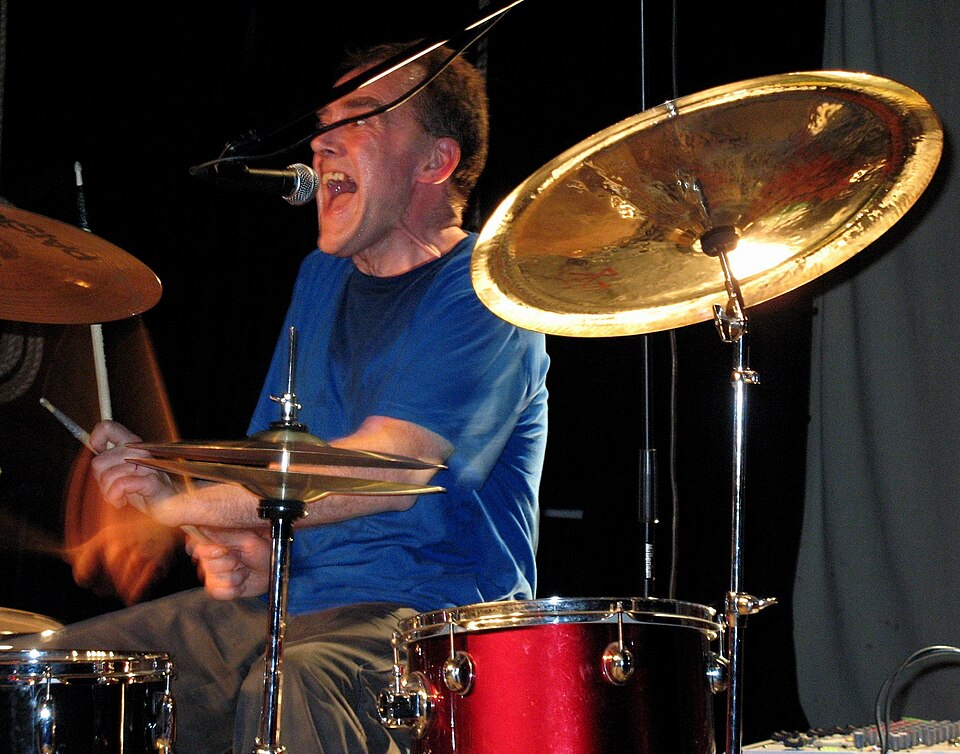 This Heatnames Can
 Gary Numannames Can
 Orchestral Manoeuvres in the Darknames Kraftwerk +1
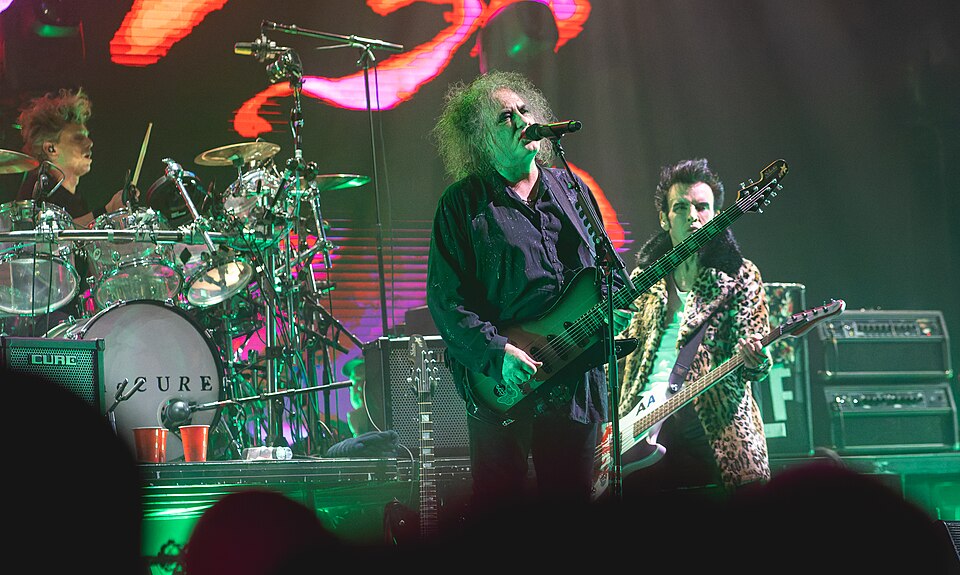 The Curenames Can
 The Soundnames Can +1
 Depeche Modenames Kraftwerk
 New Ordernames Kraftwerk +1
 The Pastelsnames Kraftwerk
 Coilnames Can +1
 Swansnames Can +1
 The Jesus and Mary Chainnames Can
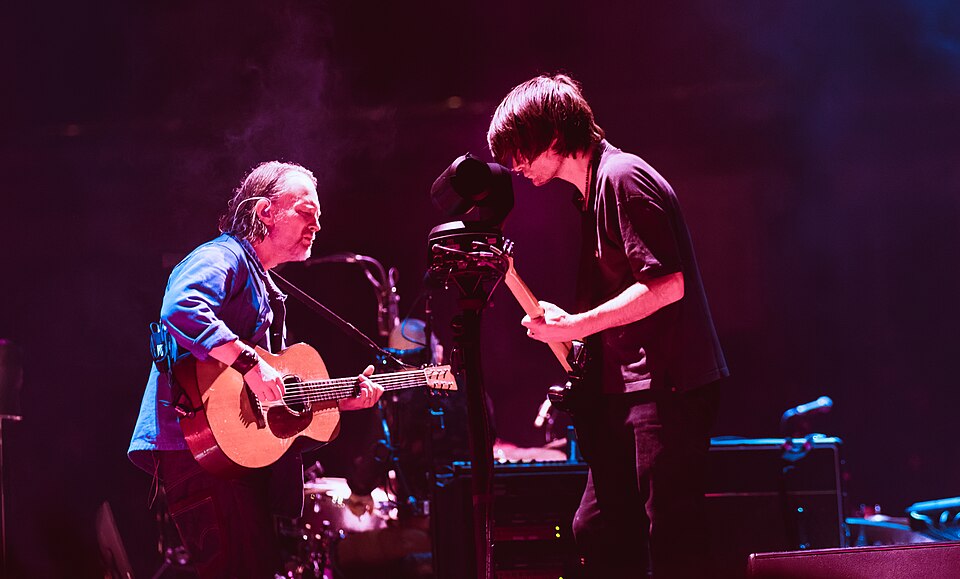 Radioheadnames Can
 Autechrenames Kraftwerk
 Massive Attacknames Kraftwerk
 Stereolabnames Neu! +1
 Tortoisenames Can +1
 Portisheadnames Can
 Aphex Twinnames Kraftwerk
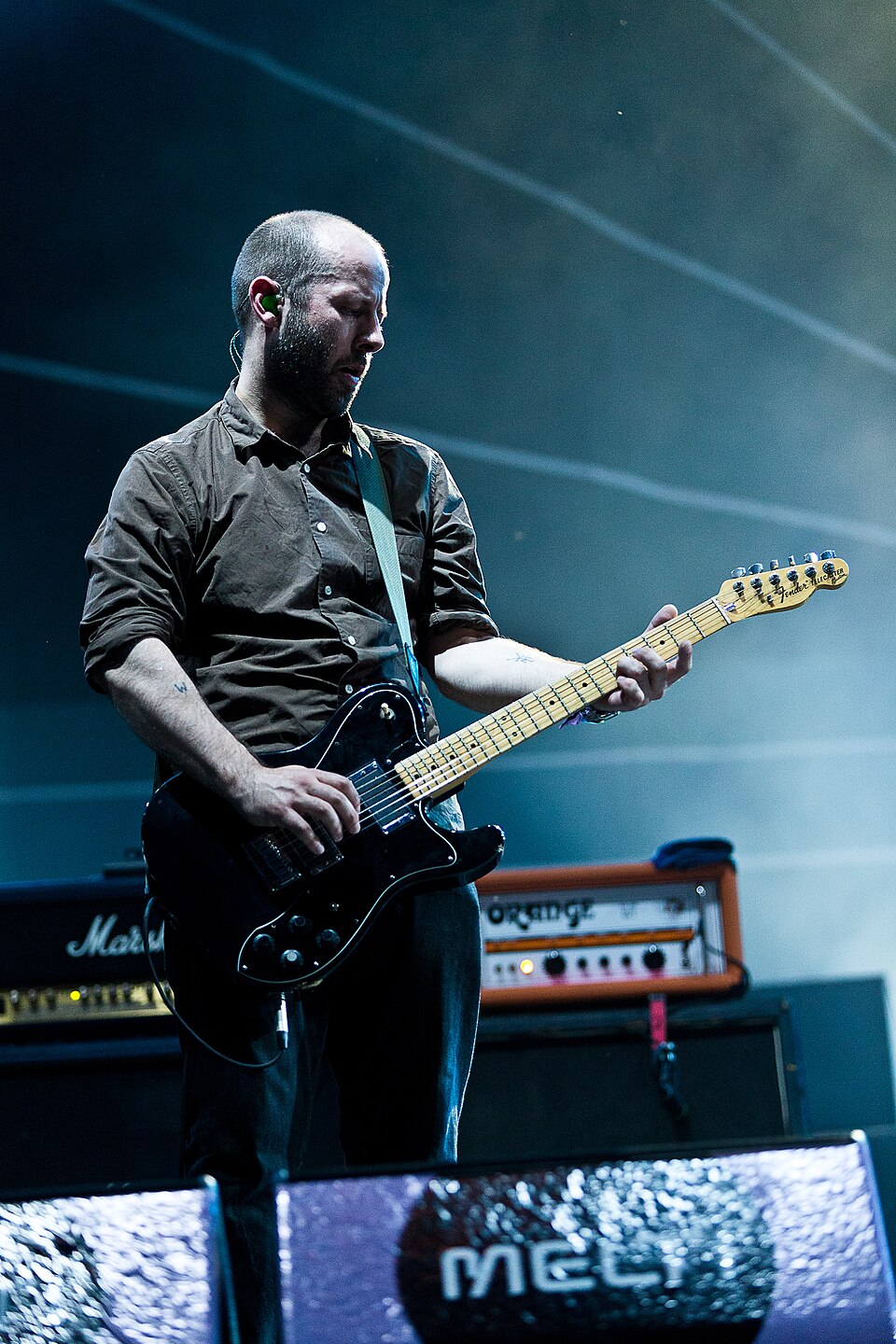 Mogwainames Neu!
 The Radio Dept.names Kraftwerk +1
 American Footballnames Can
 Four Tetnames Can +1
 Have A Nice Lifenames Kraftwerk
 The Postal Servicenames Kraftwerk
 LCD Soundsystemnames Kraftwerk
 Xiu Xiunames Kraftwerk
 Animal Collectivenames Can
 Weyes Bloodnames Can
 Everything Everythingnames Kraftwerk
 Tame Impalanames Can
 King Gizzard and the Lizard Wizardnames Kraftwerk
 A.G. Cooknames Kraftwerk
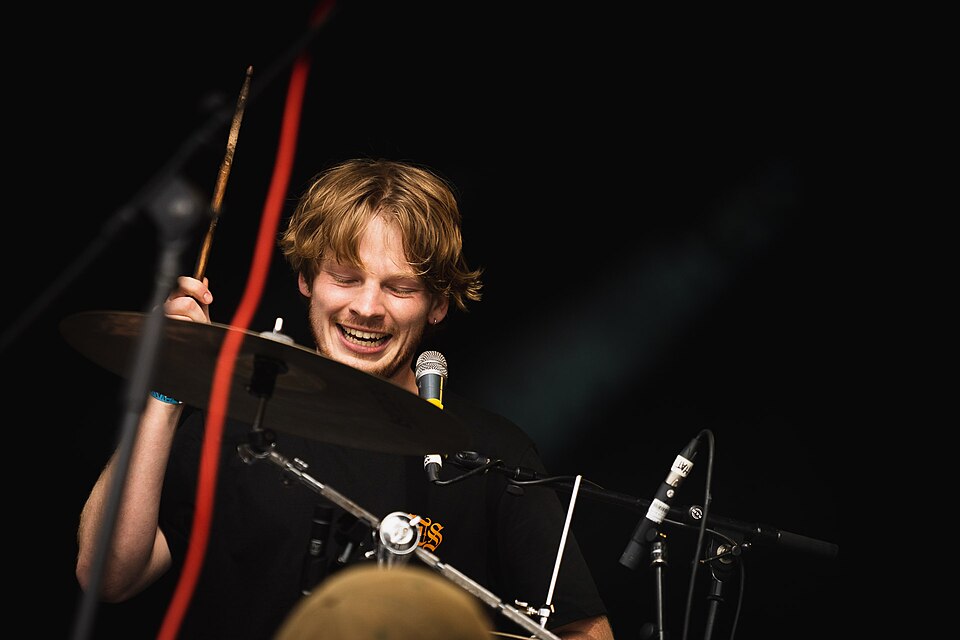 Squidnames Neu!
 Black Country, New Roadnames Can