No Wave
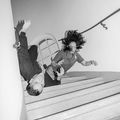
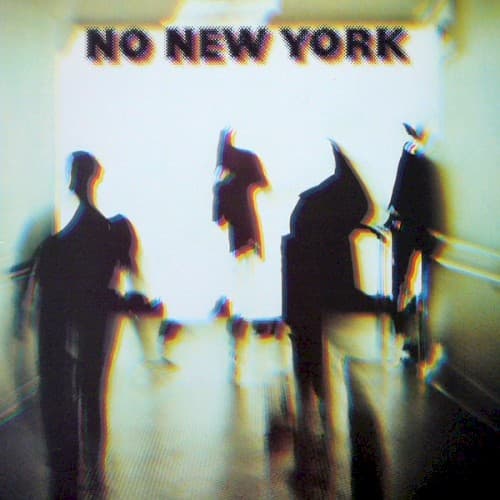
The scene born from the 1978 No New York compilation — abrasive, atonal, and deliberately hostile to rock convention — plus the guitar-orchestra wave of Glenn Branca and Rhys Chatham that grew up alongside it, with Swans emerging directly out of the same downtown scene.





- DNA
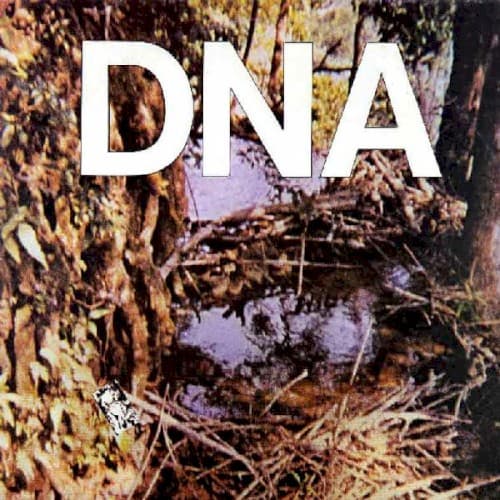
One of the four acts on No New York; Arto Lindsay and Ikue Mori's anti-technique approach set the scene's most structurally uncompromising benchmark.
No song to playPhoto: Kaethe17 · CC BY 4.0 - Mars
Formed earliest of the compilation acts and pushed furthest from conventional rock; a Mars show was reportedly what sent Lydia Lunch off to start her own band.
No song to play - Teenage Jesus and the Jerks
Lydia Lunch's band, started after seeing Mars perform live; became the scene's most concentrated statement of deliberate ugliness and brevity.
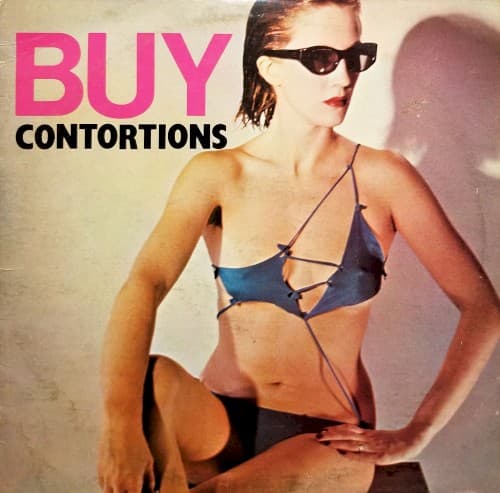
- James Chance and the Contortions
Brought a trained funk rhythm section into the same rooms, giving the compilation its danceable, confrontational counterpoint to the other three acts' pure noise.
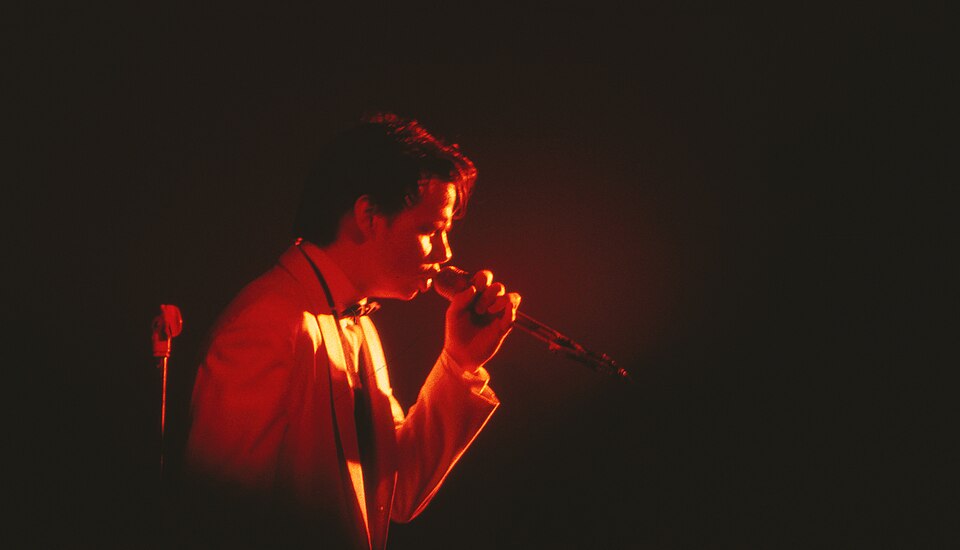
Photo: Braunov · CC BY-SA 3.0 - Swans★ Named as an influence by 4 artists on the map
Formed in 1982 directly out of the downtown scene; Michael Gira called Branca's early concerts "the epitome of how high music can go," and the band's debut, Filth, came out on Branca's own Neutral Records.
- Glenn Branca
Ran Neutral Records out of the same scene, releasing Swans' debut; had played in Rhys Chatham's Guitar Trio ensemble from 1977 to 1979 before building his own massed-guitar pieces.
- Rhys Chatham
Composed Guitar Trio (1977), the piece Branca played in before striking out on his own — the two composers' related but separate guitar-orchestra practices grew out of the same downtown room.
The room
Lower Manhattan · 1978–1983
The scene's first tier lived in Lower Manhattan's loft and storefront circuit between 1976 and 1979 — cheap, unzoned spaces standing in for clubs, where DNA, Mars, Teenage Jesus and the Jerks, and James Chance and the Contortions played to the same few hundred people night after night. Brian Eno, in New York for other reasons, caught enough of it to produce No New York (1978), the compilation that gave the scene a name and a document for anyone who hadn't been in the room.
A second tier grew directly out of that milieu between 1979 and 1982: Glenn Branca and Rhys Chatham's massed-guitar ensembles, and Swans, formed by Michael Gira in 1982 out of the same downtown scene the compilation acts had defined. Branca's own label, Neutral Records, released Swans' debut album, Filth — the guitar-orchestra wing and the emerging noise-rock wing sharing not just a scene but a release schedule.
Room to room
The bands here shaped 1 band in 1 other scene; 5 bands from 4 other scenes shaped them.
Red: who a band here shapedBlue: who a band here learned fromPoint at a band to see only its links; click a scene to go there.








- SST RecordsDNA shaped Sonic Youth.Mars shaped Sonic Youth.Teenage Jesus and the Jerks shaped Sonic Youth.James Chance and the Contortions shaped Sonic Youth.Swans learned from Black Flag.Glenn Branca shaped Sonic Youth.Rhys Chatham shaped Sonic Youth.
- Düsseldorf–CologneSwans learned from Can and Kraftwerk.
- ManchesterSwans learned from Buzzcocks.
- Detroit–Ann ArborSwans learned from The Stooges.
What came out of it
No New York's rejection of rock technique fed directly into noise rock and Sonic Youth's own guitar language, while Branca and Chatham's massed-guitar pieces shaped how a generation of post-rock and math-rock guitarists thought about tuning and repetition. Swans carried the scene's extremity forward for decades under its own name, long after the lofts that produced it were gone.