

Greenwich Village
A few square blocks of Manhattan coffeehouses where the songs belonged to everybody and the performers were judged on what they could do with them.


- Bob Dylan★ Named as an influence by 23 artists on the map
Arrived in New York in 1961 steeped in Woody Guthrie and spent five years outgrowing the revival that made him, plugging in for Highway 61 Revisited in 1965 while parts of the folk audience treated it as a betrayal.
- Karen Dalton
The singer Dylan singled out as his favorite in the Village, and the one who left least behind — she mistrusted recording, sang other writers' songs rather than her own, and made both her albums somewhat against her own wishes.
The room
Greenwich Village, New York · 1961–1965
The Village folk revival ran on rooms that barely qualified as venues — coffeehouses and basket houses around MacDougal and Bleecker where performers were paid from a basket passed around the audience, if at all. The circuit was small enough that everyone played the same handful of rooms and watched each other do it, and its repertoire was largely traditional and shared: the same songs moved from singer to singer, so a performance was measured by interpretation rather than authorship. That is what made it a scene rather than a set of solo careers, and it is also what made it fragile — once writing your own material became the point, the shared songbook that held it together stopped mattering.
Room to room
The bands here shaped 3 bands in 3 other scenes; none of them names a band from another scene.
Red: who a band here shapedBlue: who a band here learned fromPoint at a band to see only its links; click a scene to go there.


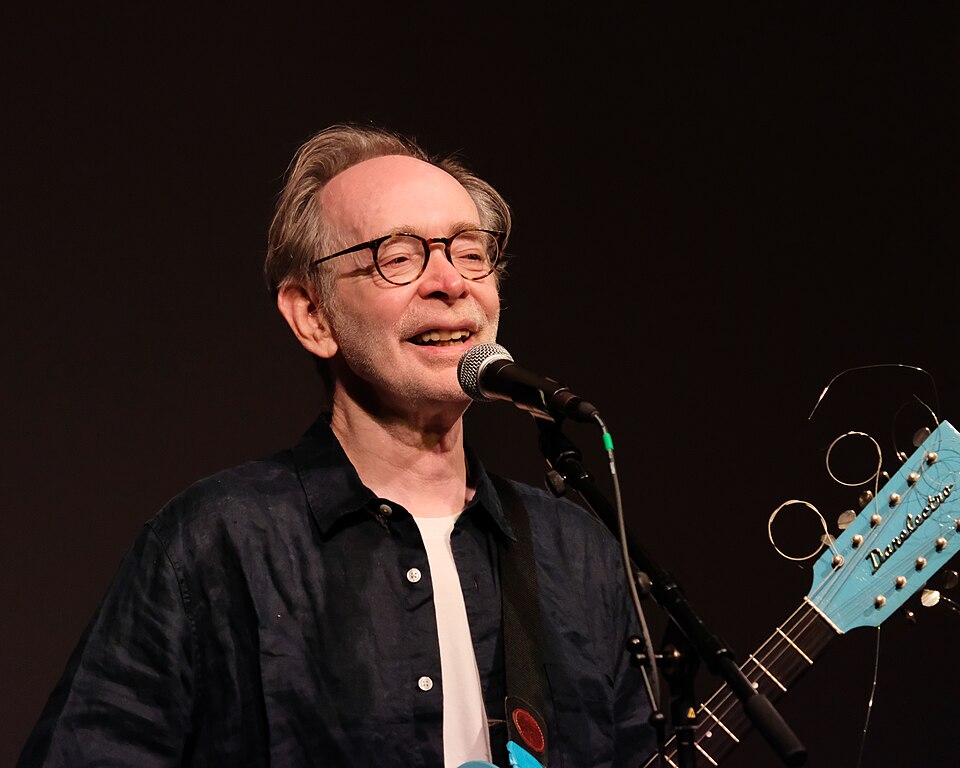






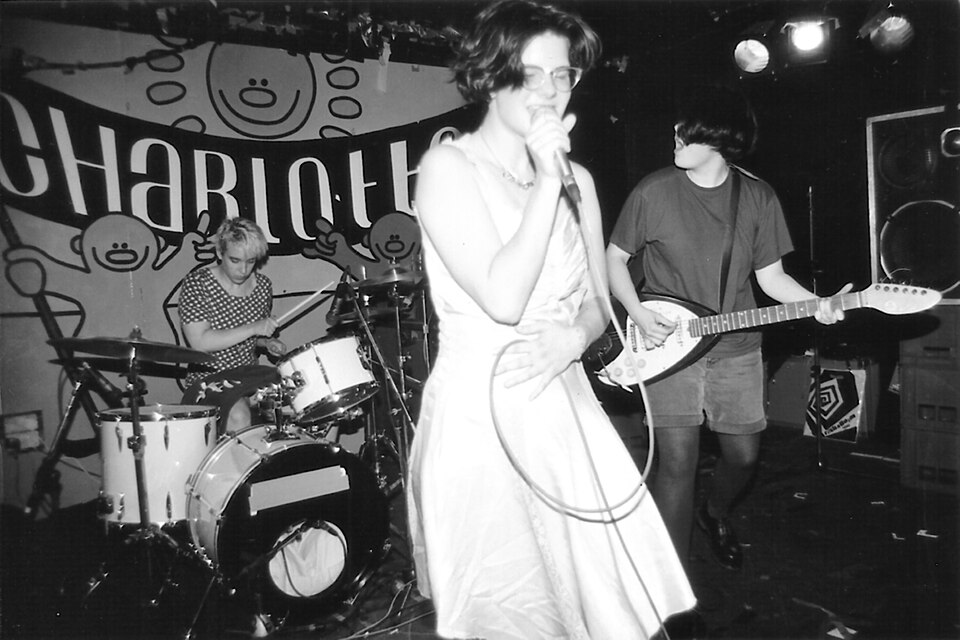


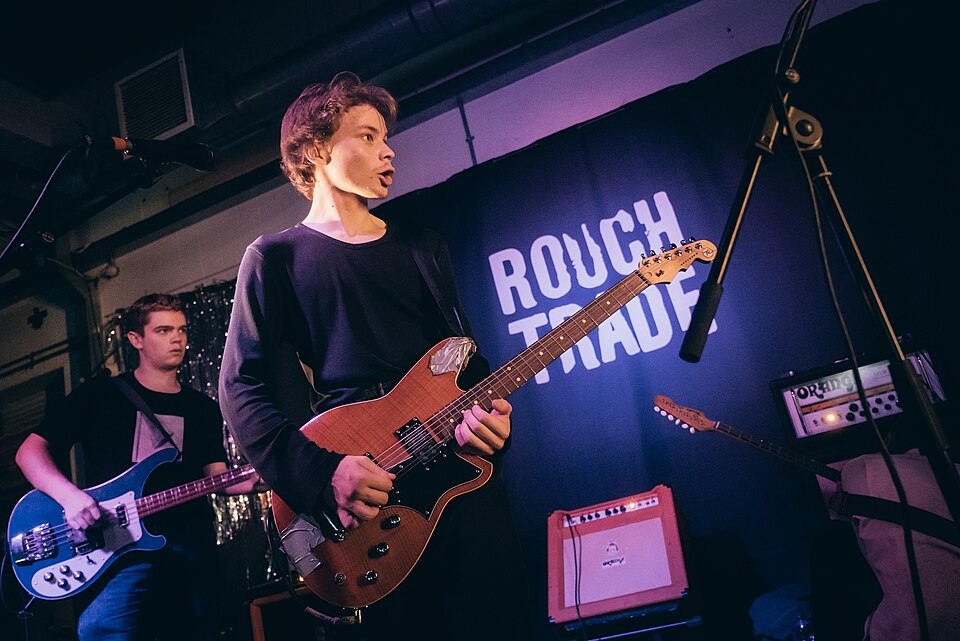

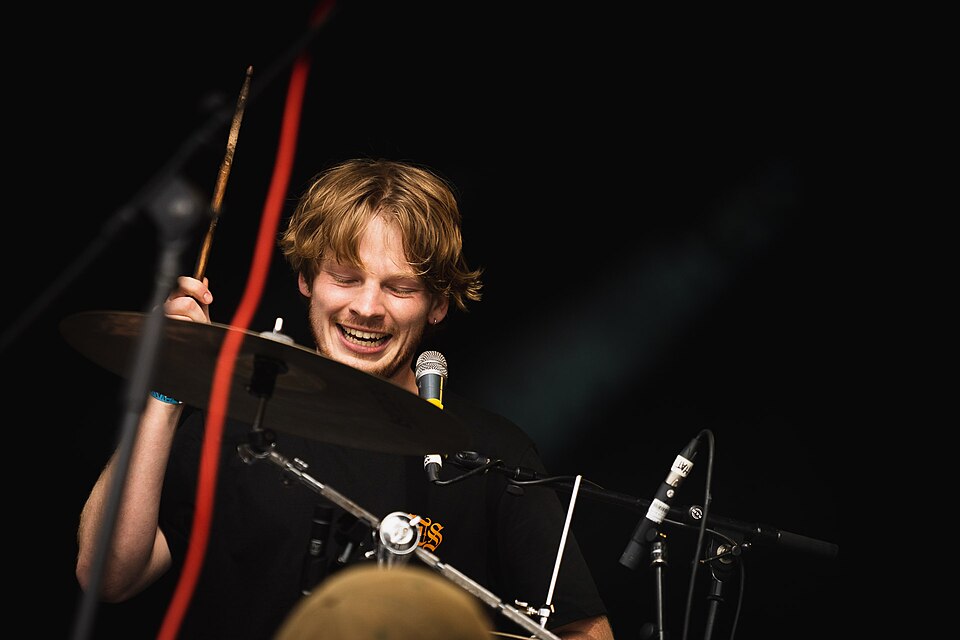
- Elephant 6Bob Dylan shaped of Montreal.
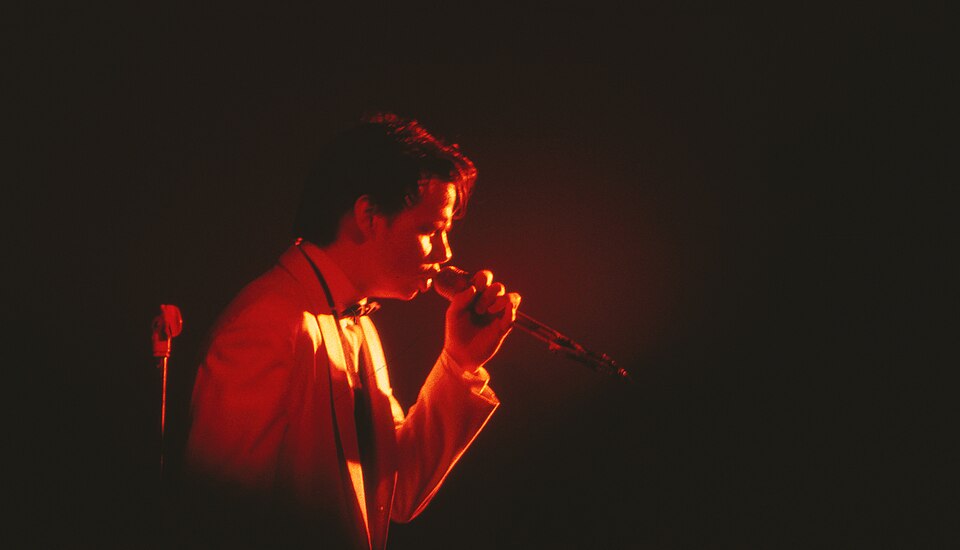
- The Windmill SceneBob Dylan shaped Jockstrap.
- CBGBBob Dylan shaped Patti Smith.
What came out of it
The revival's most famous participant spent the rest of the decade dismantling it, and the interpretive tradition it ran on — take a song someone else wrote and make it yours — receded as songwriting became the measure of a folk artist. Dalton is the clearer inheritance: her cracked, jazz-inflected phrasing found its audience decades late, and the confessional and freak-folk lineages this graph traces run through singers who found her long after the Village had gone.
Who they learned from 0
No one they name is on the map.
Who learned from them 23
 Townes Van Zandtnames Bob Dylan
 Vashti Bunyannames Bob Dylan
 Neil Youngnames Bob Dylan
 Nick Drakenames Bob Dylan
 Tom Waitsnames Bob Dylan
 Patti Smithnames Bob Dylan
 Gang of Fournames Bob Dylan
 Lucinda Williamsnames Bob Dylan
 Prefab Sproutnames Bob Dylan
 Nick Cave & The Bad Seedsnames Karen Dalton +1
 PJ Harveynames Bob Dylan
 Cat Powernames Bob Dylan
 Jeff Buckleynames Bob Dylan
 Elliott Smithnames Bob Dylan
 of Montrealnames Bob Dylan
 The White Stripesnames Bob Dylan
 The Nationalnames Bob Dylan
 Sufjan Stevensnames Bob Dylan
 Joanna Newsomnames Karen Dalton +1
 Kurt Vilenames Bob Dylan
 Fleet Foxesnames Bob Dylan
 King Gizzard and the Lizard Wizardnames Bob Dylan
 Jockstrapnames Bob Dylan