
Manchester
The Manchester scene that grew out of the Sex Pistols' 1976 Free Trade Hall gigs, producing post-punk's two defining tonal opposites in Joy Division and The Fall alongside pop-punk's Buzzcocks.


- Joy Division★ Named as an influence by 19 artists on the map
Formed later that same year by musicians who were present, or said to have been present, at the Free Trade Hall show — the gig's most direct and most mythologized consequence.
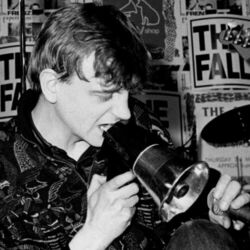
- The Fall
Formed the same year as Joy Division, out of the same city and moment, but built around Mark E. Smith's contempt for conventional structure into post-punk's other tonal pole — abrasive where Joy Division was austere.
- Buzzcocks
The connective tissue for the whole scene — organized and played the gig that started it, before Pete Shelley steered the band itself toward faster, stranger pop-punk once Howard Devoto left.
The room
Manchester · 1976–1981
On June 4, 1976, the Sex Pistols played a poorly attended gig at Manchester's Free Trade Hall that Buzzcocks had organized and booked themselves onto as support — a booking made on the strength of a single NME review and a trip down to London to persuade the band to come north. The audience was small, but its legend has only grown since: a disproportionate number of the people in that room went on to form the bands that defined Manchester post-punk over the following five years.
Tony Wilson, a Granada TV presenter who was in the Free Trade Hall audience himself, formed Factory Records a couple of years later and signed Joy Division — turning the loose, gig-sparked scene into something with an actual institutional home, a label rather than just a shared origin story.
Room to room
The bands here shaped 6 bands in 6 other scenes; 4 bands from 2 other scenes shaped them.
Red: who a band here shapedBlue: who a band here learned fromPoint at a band to see only its links; click a scene to go there.








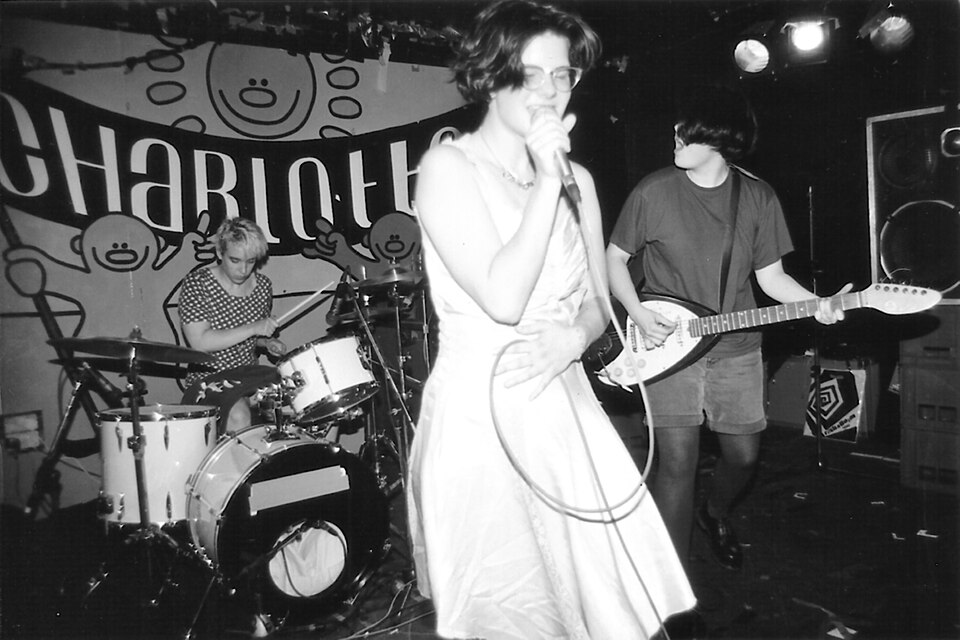



- 4ADJoy Division shaped Cocteau Twins.
- SST RecordsJoy Division shaped Hüsker Dü.Buzzcocks shaped Hüsker Dü.
- Düsseldorf–CologneJoy Division learned from Kraftwerk, Neu! and Can.The Fall learned from Can.
- Detroit–Ann ArborJoy Division learned from The Stooges.Buzzcocks learned from The Stooges.
- Lower East SideThe Fall shaped LCD Soundsystem.
- DC HardcoreThe Fall shaped Rites of Spring.Buzzcocks shaped Rites of Spring.
- The Windmill SceneThe Fall shaped Black Country, New Road.
- No WaveBuzzcocks shaped Swans.
What came out of it
The Free Trade Hall gig became one of British music's most-cited origin stories, and Joy Division's Martin Hannett-produced records set an emotional and sonic template — for post-punk's interiority, later for shoegaze's — that outlasted the scene itself by decades. Factory Records gave the slightly later Manchester scene its institutional home and, in Joy Division's afterlife as New Order, its own separate second act.
Who they learned from 8


Who learned from them 29
 Orchestral Manoeuvres in the Darknames Joy Division
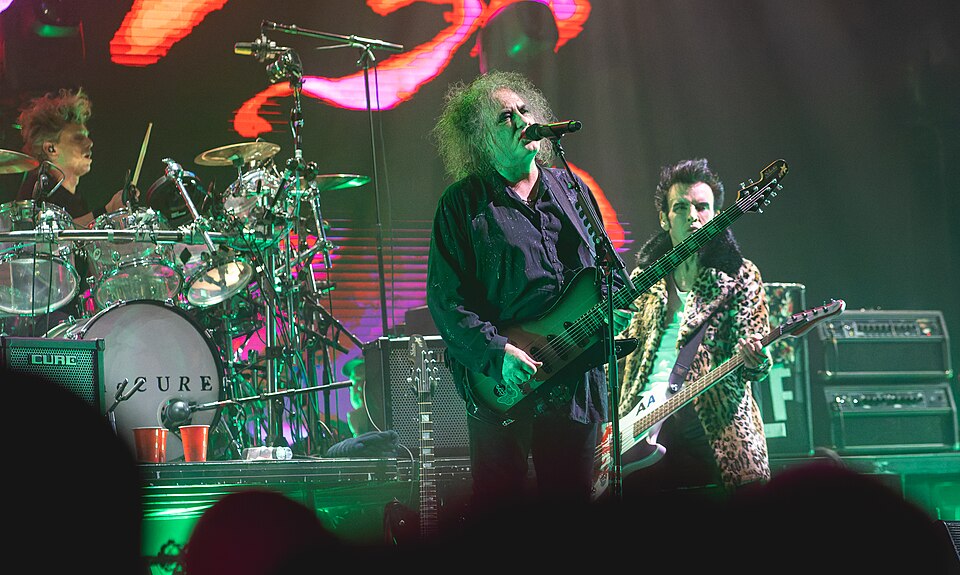 The Curenames Buzzcocks
 Cocteau Twinsnames Joy Division
 Hüsker Dünames Joy Division +1
 The Soundnames Joy Division
 The Chameleonsnames Buzzcocks
 Swansnames Buzzcocks
 The Smithsnames Buzzcocks
 My Bloody Valentinenames Joy Division
 Rites of Springnames The Fall +1
 Bark Psychosisnames Joy Division
 Ridenames The Fall
 Pavementnames The Fall
 Unwoundnames Joy Division
 Lownames Joy Division
 Mogwainames Joy Division
 The Radio Dept.names Joy Division
 Belle and Sebastiannames The Fall
 Panchikonames Joy Division
 The Nationalnames Joy Division
 Have A Nice Lifenames Joy Division
 The Walkmennames Joy Division
 Editorsnames Joy Division
 LCD Soundsystemnames The Fall
 Xiu Xiunames Joy Division
 Sharon Van Ettennames Joy Division
 IDLESnames Joy Division
 Parquet Courtsnames The Fall
 Black Country, New Roadnames The Fall