

Seattle
The Sub Pop-adjacent grunge scene at the turn of the '90s, alongside the more melodic, off-kilter emo of Sunny Day Real Estate working the same clubs.
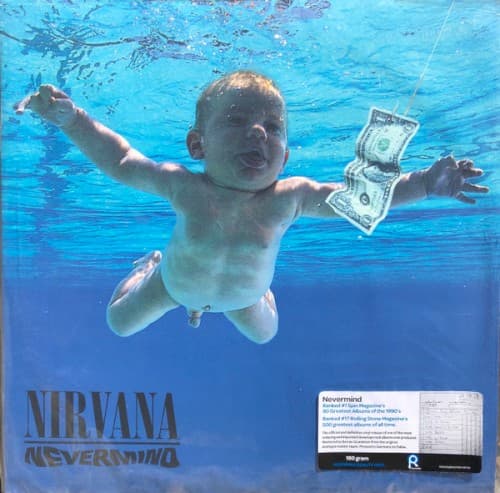



- Nirvana★ Named as an influence by 4 artists on the map
Formed in nearby Aberdeen and folded into the Seattle scene through Sub Pop, which released Bleach before the band left the city's orbit entirely with Nevermind.
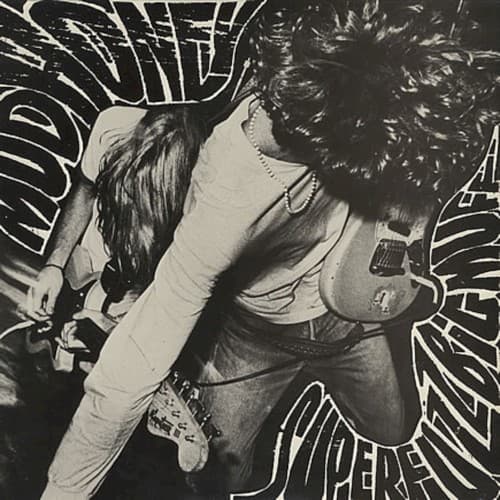
- Mudhoney
One of Sub Pop's first signings and the clearest early document of the label's fuzzed-out house sound; Kurt Cobain named them his favorite band.
- Sunny Day Real Estate
Signed to Sub Pop just as its grunge-defined identity was shifting, playing the same Seattle circuit as the city's grunge bands while sounding nothing like them.
The room
Seattle · 1988–1992
Sub Pop was the connective institution: a shoestring local label that put out Mudhoney's and Nirvana's earliest records and, through its own grimy Pacific Northwest branding, gave a loose cluster of Seattle-area bands a shared identity before they had much else in common. The city's club circuit was small enough that bands working in entirely different registers — Sub Pop's grunge acts and a post-hardcore-schooled band like Sunny Day Real Estate, also on the label — played the same rooms to the same audiences without belonging to the same sound at all.
Room to room
The bands here shaped 1 band in 1 other scene; 7 bands from 5 other scenes shaped them.
Red: who a band here shapedBlue: who a band here learned fromPoint at a band to see only its links; click a scene to go there.






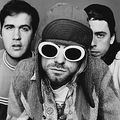


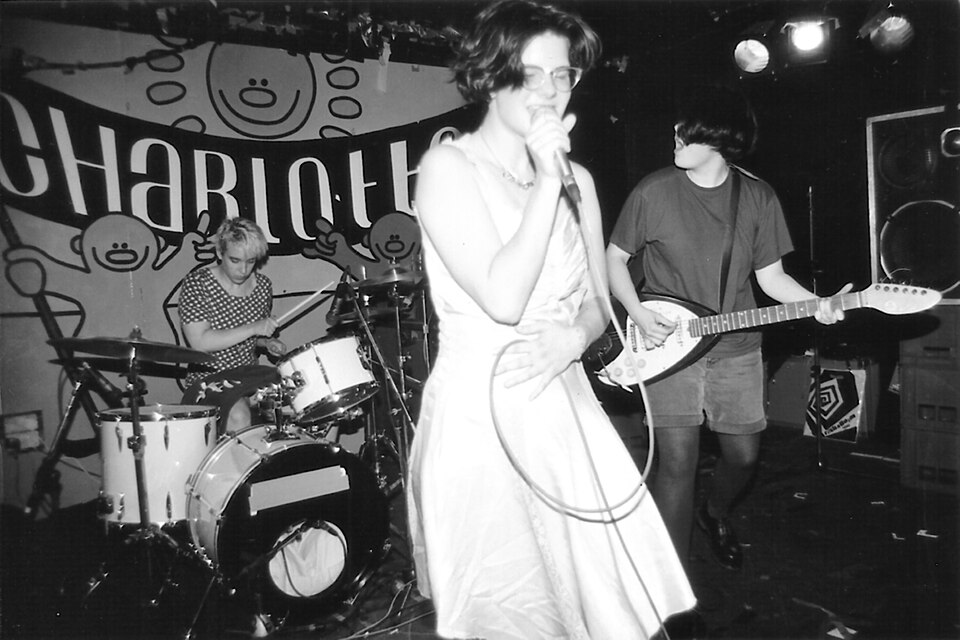


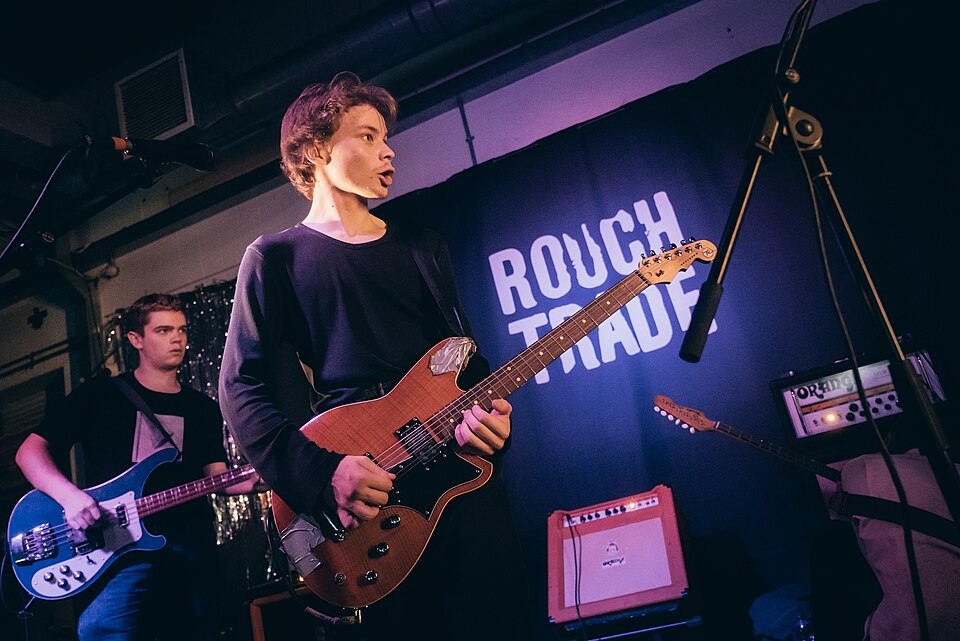



- Lower East SideNirvana shaped Interpol.
- 4ADNirvana learned from Pixies.
- SST RecordsNirvana learned from Sonic Youth and Black Flag.Mudhoney learned from Black Flag.
- Detroit–Ann ArborNirvana learned from The Stooges.
- CBGBNirvana learned from Ramones.
- DC HardcoreSunny Day Real Estate learned from Fugazi and Rites of Spring.
What came out of it
Nirvana's breakout took the Sub Pop sound global almost overnight and effectively ended grunge's run as an underground genre, while Sunny Day Real Estate's members carried the city's other current forward — into Foo Fighters and into what would become second-wave emo.
Who they learned from 15
 The Velvet Undergroundnamed by Nirvana
 The Stoogesnamed by Nirvana
 Devonamed by Nirvana
 Ramonesnamed by Nirvana
 Black Flagnamed by Nirvana +1
 Wipersnamed by Nirvana +1
 NoMeansNonamed by Sunny Day Real Estate
 R.E.M.named by Nirvana
 Sonic Youthnamed by Nirvana
 Dinosaur Jr.named by Nirvana
 Rites of Springnamed by Sunny Day Real Estate
 Fugazinamed by Sunny Day Real Estate
 Pixiesnamed by Nirvana
 The Jesus Lizardnamed by Nirvana
 The Breedersnamed by Nirvana


