

DC Hardcore
A few dozen teenagers in Washington DC invented American hardcore's fastest music, its most durable independent label, and — without meaning to — a lifelong sobriety movement.





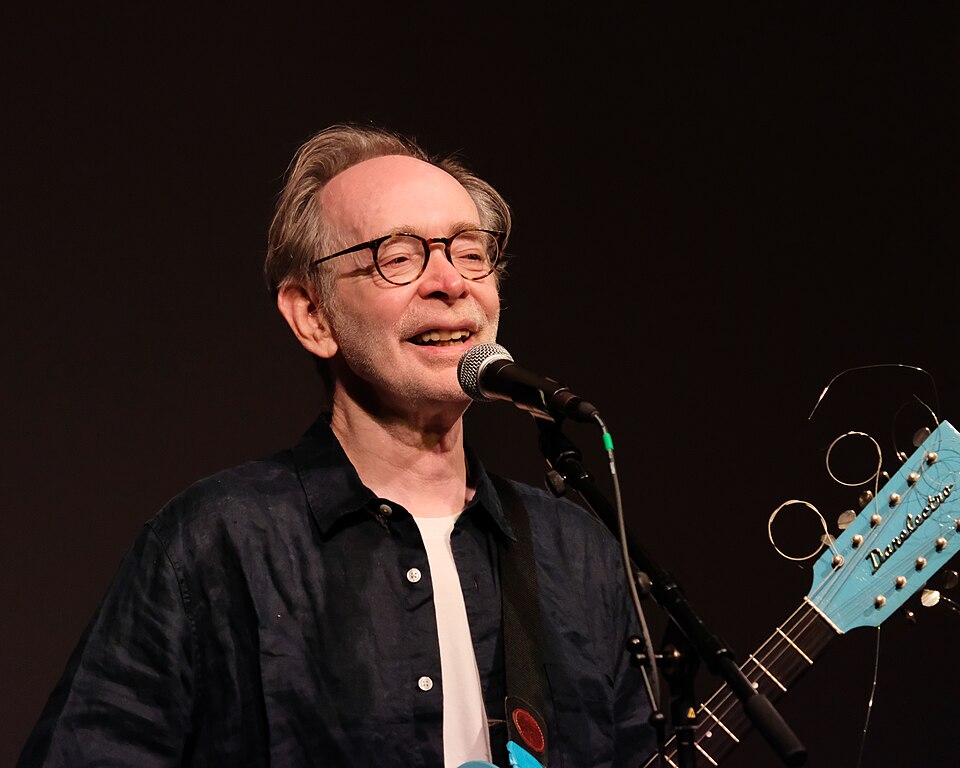
- Fugazi★ Named as an influence by 18 artists on the map
MacKaye's band after Minor Threat, formed with Rites of Spring's Guy Picciotto and Brendan Canty and carrying Bad Brains' influence forward as the label's longest-running and most enduring act.
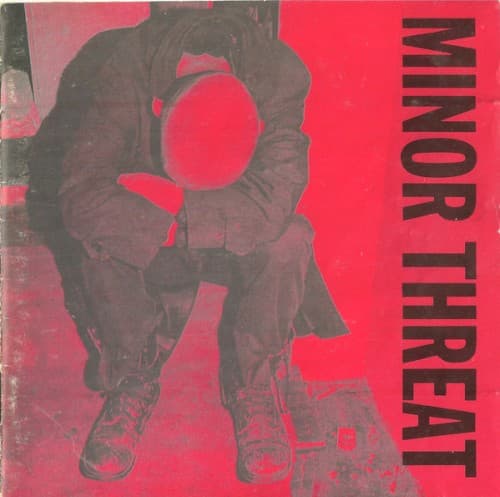
- Minor Threat
MacKaye and Nelson's first band, formed specifically to give Dischord something of their own to release, and the source of the scene's furthest-travelling export in a song called "Straight Edge".
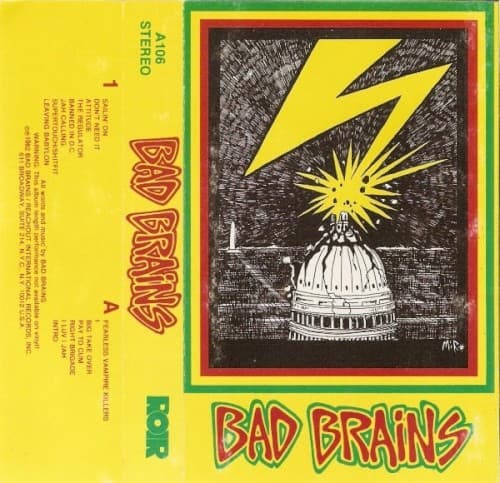
- Bad Brains
Predated the DC scene and set it in motion — MacKaye's pre-Minor Threat band saw a Bad Brains show and came out transformed, and Picciotto later named them among Fugazi's own influences too.
- Rites of Spring
Lasted barely a year, but its two core members, Picciotto and Canty, carried its emotionally raw "emocore" sound directly into Fugazi afterward.
- The Dismemberment Plan
Arrived a decade later out of the same Dischord-shaped DC underground, working in the post-hardcore vocabulary Fugazi and Bad Brains had already set down.
The room
Washington DC · 1980–1993
Ian MacKaye and Jeff Nelson started Dischord Records as teenagers, simply to put out records by their own band and the handful of others playing the same small DC hardcore shows around them — a label built to document a scene its founders were already inside of, rather than to sign one from outside. That closeness meant the label's roster and the scene's actual social network were never really separate things: the same handful of musicians kept re-forming into new bands under the same label for well over a decade. Bad Brains, the band that set the whole thing moving, never released a record on Dischord at all — which is the clearest sign that the scene and the label were related but not identical.
The scene's furthest-travelling export left almost by accident. Minor Threat's "Straight Edge" (1981) runs under a minute and was written as one teenager's description of not drinking or taking drugs — a statement about himself, not a rule for anyone else. It was read as a manifesto anyway, and hardened into an international subculture with its own orthodoxy and its own enforcement, which Ian MacKaye spent the following decades explaining he had never meant to write. It is now better known than most of the music it came from.
Room to room
The bands here shaped 5 bands in 3 other scenes; 4 bands from 3 other scenes shaped them.
Red: who a band here shapedBlue: who a band here learned fromPoint at a band to see only its links; click a scene to go there.




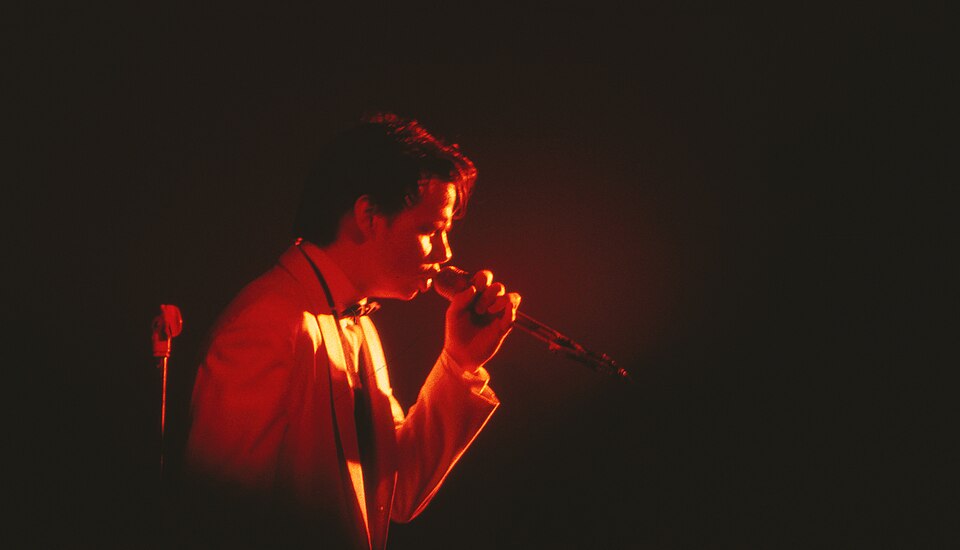


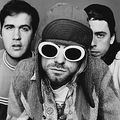


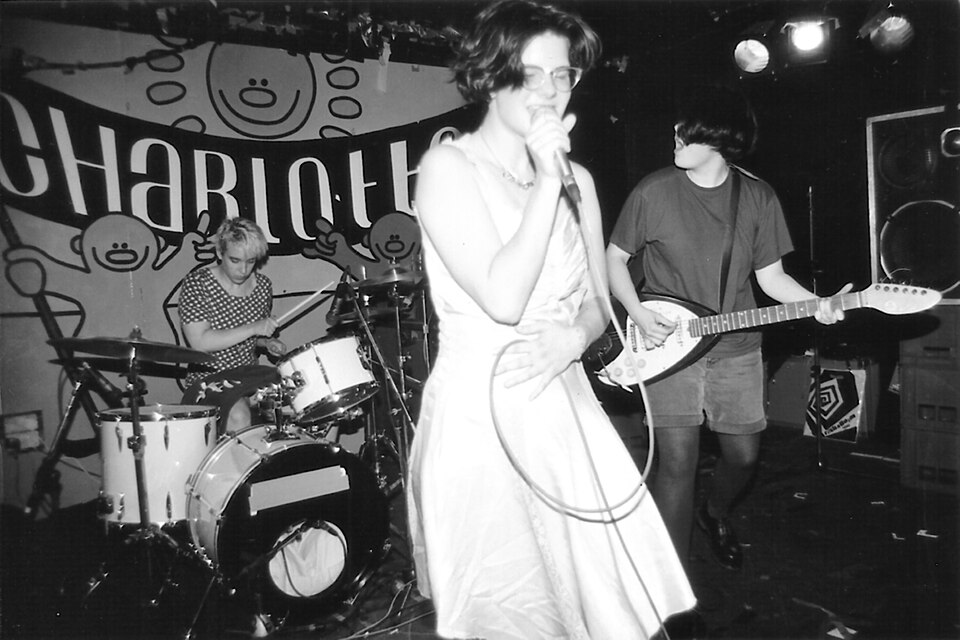


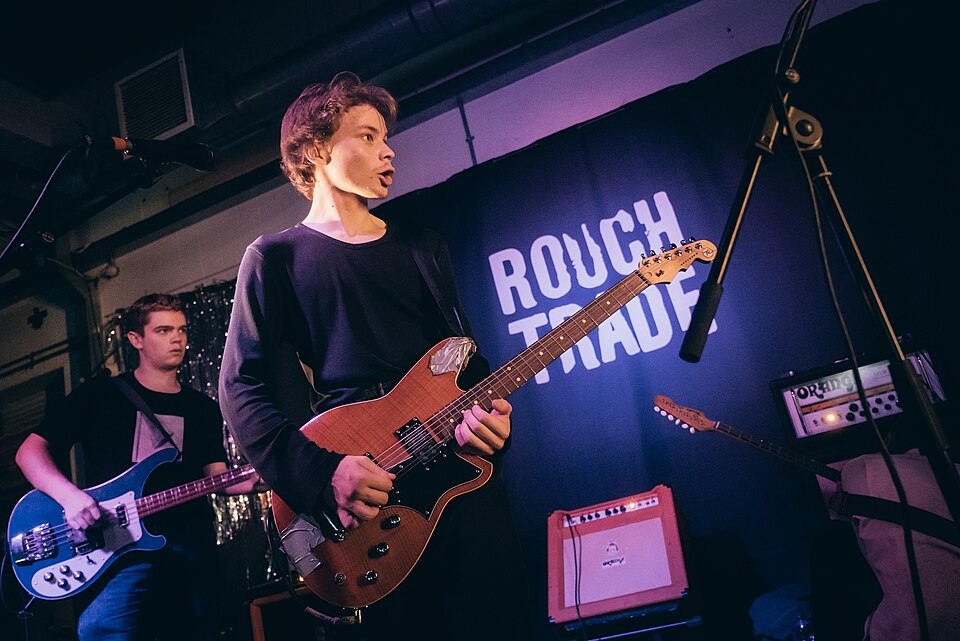

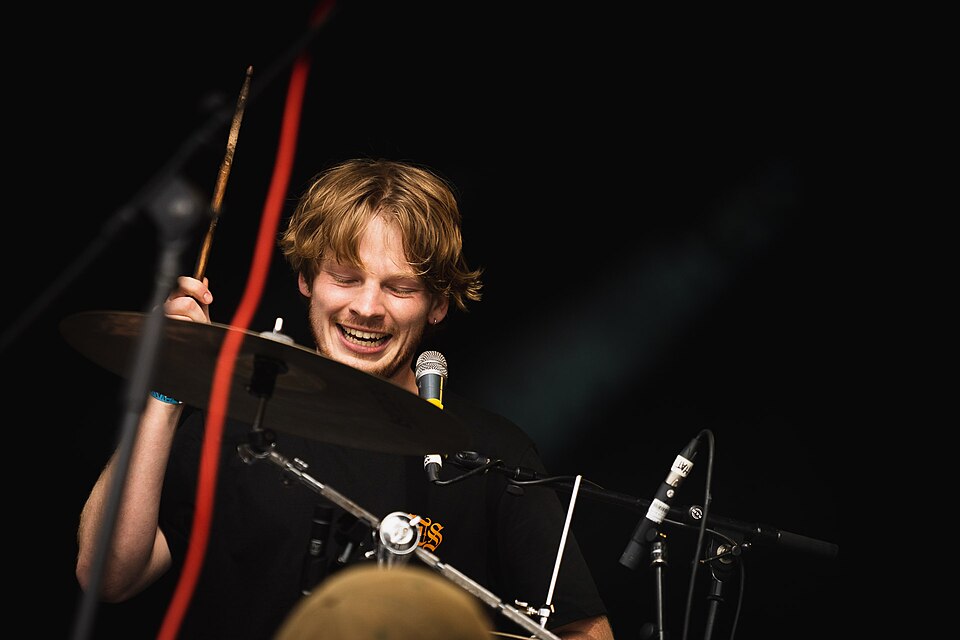

- Lower East SideFugazi shaped Interpol.Bad Brains shaped Interpol.
- SeattleFugazi shaped Sunny Day Real Estate.Rites of Spring shaped Sunny Day Real Estate.
- SST RecordsMinor Threat shaped Sonic Youth.Minor Threat learned from Black Flag.Bad Brains shaped Black Flag and Descendents.
- CBGBBad Brains learned from Ramones.
- ManchesterRites of Spring learned from The Fall and Buzzcocks.
What came out of it
Dischord's insistence on five-dollar shows, no major-label deals, and total DIY control became the reference model for post-hardcore's entire operating ethic, and Fugazi in particular proved a serious touring band could run for decades entirely outside the industry's normal terms. The scene's other export travelled further and less deliberately: straight edge outgrew the record that named it, spread worldwide as a subculture with its own orthodoxy, and is now better known than most of the music it came from. Rites of Spring's short, emotionally raw run is the third line out of here, feeding the emo and post-hardcore realm this graph traces downstream.
Who they learned from 9


Who learned from them 24
 Black Flagnames Bad Brains
 Descendentsnames Bad Brains
 Big Blacknames Bad Brains
 Sonic Youthnames Minor Threat
 Slintnames Minor Threat
 Blurnames Fugazi +1
 Cap'n Jazznames Fugazi
 Drive Like Jehunames Fugazi
 Mary Timonynames Fugazi +1
 Refusednames Fugazi
 Jeff Buckleynames Bad Brains
 Modest Mousenames Fugazi
 Sunny Day Real Estatenames Fugazi +1
 At The Drive-Innames Fugazi +1
 Elliott Smithnames Fugazi
 Far Apartnames Fugazi
 The Get Up Kidsnames Fugazi
 American Footballnames Fugazi +1
 Interpolnames Fugazi +1
 The Dillinger Escape Plannames Bad Brains +1
 Brand Newnames Fugazi
 La Disputenames Fugazi
 Bon Ivernames Fugazi
 Turnstilenames Bad Brains +1