
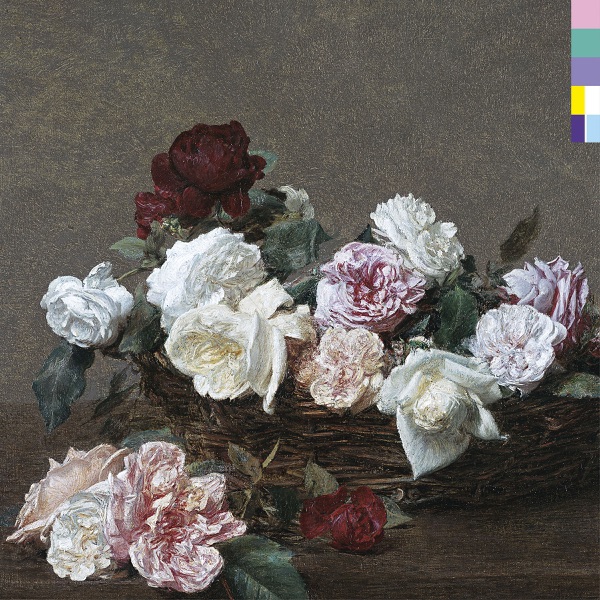
Sleeve notes
New Order
Power, Corruption & Lies · 1983
The story of New Order starts with a decision that should have been impossible: three of the four surviving members of Joy Division resolved to continue, rename themselves, and let the music evolve rather than fossilize under grief. What followed is one of the more extraordinary transformations in pop — from the raw post-punk of their early 7-inches to "Blue Monday" (1983), which remains the best-selling 12-inch single in UK history and arrived as if from another genre entirely. The drum machines, Roland synthesizers, and bass-heavy production weren't a betrayal of Joy Division's aesthetic; they were its logical extension into a changed world.
Power, Corruption & Lies (1983) and Low-life (1985) refined the template: dance music with a rock band's arrangement instincts, or vice versa. New Order understood that the dichotomy was false before most people had articulated it. Their influence on the post-punk revival of the early 2000s — Interpol, Editors, the Killers — is obvious. Their influence on everything that calls itself "indie electronic" is equally pervasive, if less often credited.