
Riot Grrrl
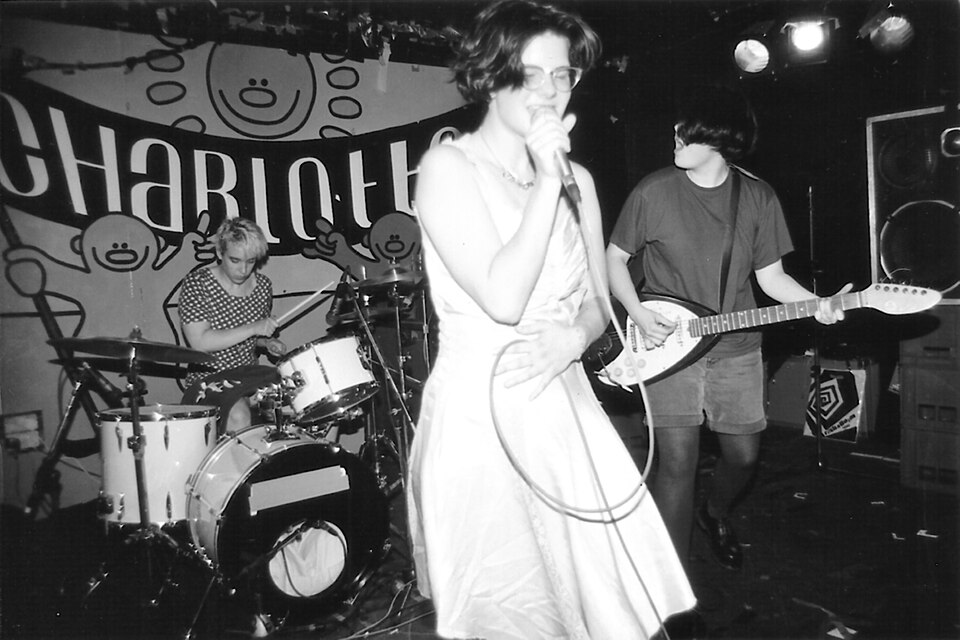
The feminist punk movement that grew out of Olympia, Washington's cassette-and-zine DIY scene — Evergreen State College, K Records, and Kill Rock Stars all in the same small town.


- Bikini Kill
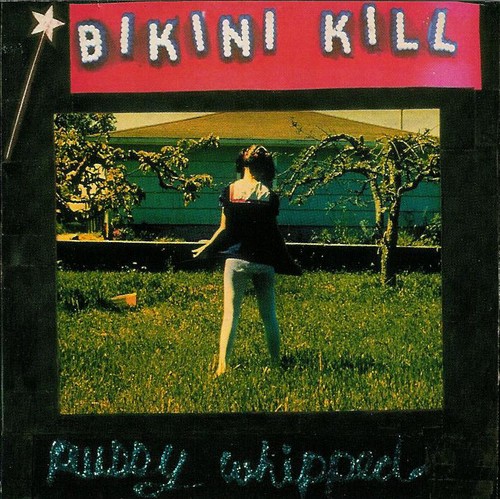
Formed first, in 1990, out of Olympia's small DIY circuit — the band most identified with the scene that grew up around it.
- Bratmobile★ Named as an influence by 4 artists on the map
Formed the following year when Allison Wolfe and Molly Neuman, already writing a zine together, started a band in the same town, running a parallel circuit alongside Bikini Kill.
Photo: Greg Neate · CC BY 2.0 - Sleater-Kinney
Arrived in 1994, later than the other two, out of the same Olympia network; the band has since named both Bikini Kill and Bratmobile as direct influences.
The room
Olympia · 1990–1994
Olympia was a small state-capital college town built around Evergreen State College, an experimental school with no traditional grading system that drew exactly the kind of art-school-minded misfits who went on to start these bands. The town already had a functioning DIY music infrastructure before riot grrrl existed — Calvin Johnson's K Records had been putting out lo-fi, homemade records for years — and Kill Rock Stars emerged alongside the same scene as it grew, giving the movement a label of its own.
In a town this size, the scene was a handful of overlapping people playing the same small run of venues and house shows, trading zines as readily as they traded show flyers — the kind of close-quarters, everyone-knows-everyone network a town like Olympia could produce and a larger city couldn't.
Room to room
No band in another scene names the bands here; 1 band from 1 other scene shaped them.
Red: who a band here shapedBlue: who a band here learned fromPoint at a band to see only its links; click a scene to go there.











- SST RecordsSleater-Kinney learned from Sonic Youth.
What came out of it
Kill Rock Stars outlasted the movement itself to become a lasting indie label, and Olympia's small-town, zine-and-cassette model of self-organizing a scene became a template later DIY punk and indie circuits consciously imitated.


