

4AD
Ivo Watts-Russell's London label built a shared gothic-ethereal house sound and, in This Mortal Coil, a literal label-artist collective drawing its lineup from the wider roster.


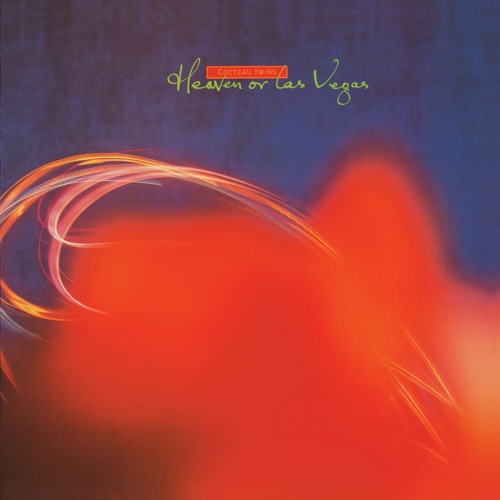


- This Mortal Coil
Ivo Watts-Russell's own project — the label's curatorial ethos turned into an actual recording lineup, pulling in roster-mates like Cocteau Twins' Elizabeth Fraser and Robin Guthrie to record covers as 4AD house music.
- Cocteau Twins★ Named as an influence by 16 artists on the map
The label's longest-serving flagship act and the clearest expression of its reverbed, ethereal house sound — the reference point every other 4AD signing got measured against.
- Lush
Arrived later and closest to the exit into Britpop; Spooky (1992) was produced by Cocteau Twins' Robin Guthrie, carrying the house sound directly into Lush's own records.
- Red House Painters
Signed by Watts-Russell despite sounding nothing like the rest of the roster — Mark Kozelek's slowcore was shaped by the same atmospheres (This Mortal Coil, Cocteau Twins) even where the surface had none of their gloss.
- Pixies
The roster's outlier — loud, American, produced by Steve Albini in direct opposition to the label's reputation for gauze — signed by Watts-Russell anyway, proof the 4AD ear was never just a genre rule.
The room
London · 1980–1995
4AD was Ivo Watts-Russell's label from the outset, and by the early 1980s that meant something more specific than a shared roster: a deliberate house sound (reverbed, gothic, melancholic-but-beautiful) reinforced visually by Vaughan Oliver's sleeve designs under the name 23 Envelope, so that a 4AD record was identifiable by its cover before the needle ever dropped. Watts-Russell signed for a specific ear rather than a specific genre — Boston noise-pop (Pixies) sat on the same roster as Melbourne neoclassical duo Dead Can Dance — and the connective tissue was never sound so much as sensibility.
This Mortal Coil made that sensibility explicit. It was Watts-Russell's own project, not a band so much as a standing invitation to whoever was on the roster at the time — Cocteau Twins' Elizabeth Fraser and Robin Guthrie among them — to record other people's songs as chamber music. That a label could stage its own artists as a collective and have the results, most famously the cover of Tim Buckley's "Song to the Siren," read as a coherent artistic statement is the clearest evidence that 4AD in this period was a curated aesthetic community, not just a distribution deal.
Room to room
The bands here shaped 1 band in 1 other scene; 7 bands from 3 other scenes shaped them.
Red: who a band here shapedBlue: who a band here learned fromPoint at a band to see only its links; click a scene to go there.





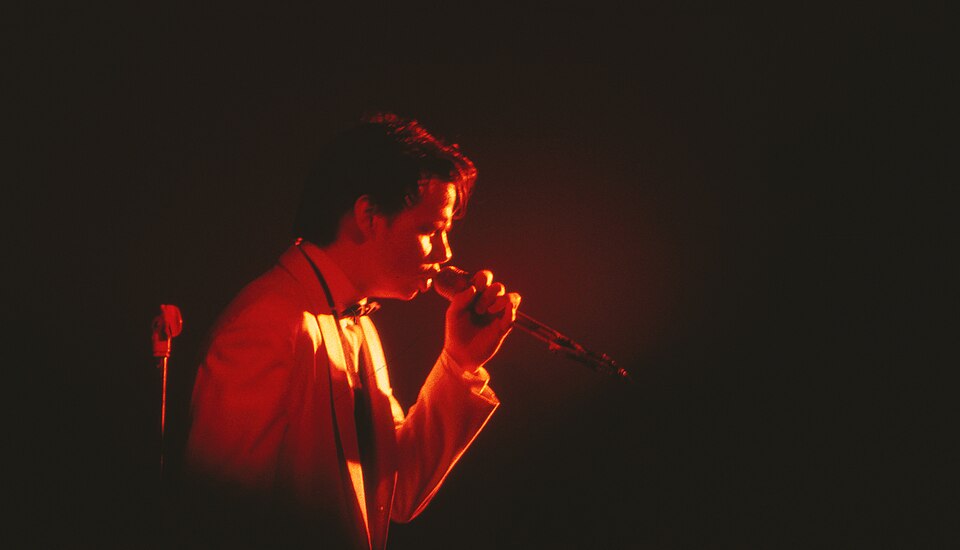


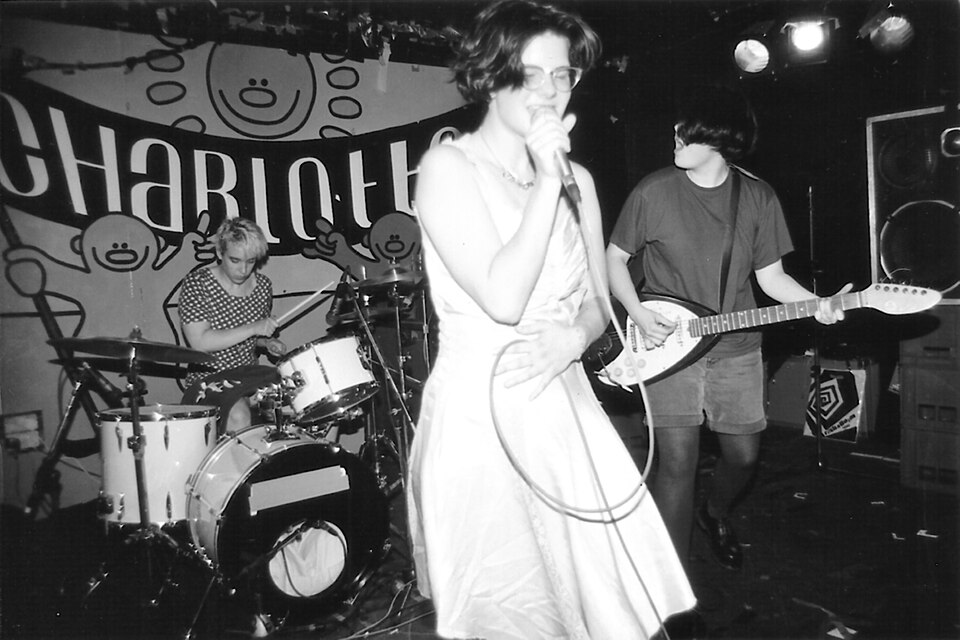






- CBGBCocteau Twins learned from Ramones and Patti Smith.Pixies learned from Talking Heads.
- ManchesterCocteau Twins learned from Joy Division.
- SST RecordsLush learned from Hüsker Dü.Pixies learned from Hüsker Dü, Sonic Youth and Black Flag.
- SeattlePixies shaped Nirvana.
What came out of it
4AD's house aesthetic outlived the label's original run, setting the visual and sonic template — Vaughan Oliver's sleeve art as much as the reverbed vocal sound — that dream-pop and shoegaze bands spent the following decade working from or against. This Mortal Coil in particular normalized the idea of a label as a creative collective rather than a distribution arrangement, a model since revisited by small labels wanting their signings to feel like one artistic project rather than a catalog.
Who they learned from 17
 The Velvet Undergroundnamed by Pixies
 Neil Youngnamed by Red House Painters
 David Bowienamed by Pixies
 Patti Smithnamed by Cocteau Twins
 Ramonesnamed by Cocteau Twins
 Sex Pistolsnamed by Cocteau Twins
 Talking Headsnamed by Pixies
 Black Flagnamed by Pixies
 Gang of Fournamed by Pixies
 Joy Divisionnamed by Cocteau Twins
 Siouxsie & The Bansheesnamed by Cocteau Twins +1
 The Birthday Partynamed by Cocteau Twins
 Hüsker Dünamed by Pixies +1
 R.E.M.named by Pixies
 Sonic Youthnamed by Pixies
 Violent Femmesnamed by Pixies
 The Jesus and Mary Chainnamed by Pixies
Who learned from them 28
 Radioheadnames Pixies
 Boards of Canadanames Cocteau Twins
 Nirvananames Pixies
 Ridenames Pixies
 Slowdivenames Cocteau Twins +1
 Superchunknames Cocteau Twins
 Modest Mousenames Pixies
 Blonde Redheadnames Lush
 Lownames Red House Painters
 Spoonnames Pixies
 At The Drive-Innames Pixies
 Airielnames Cocteau Twins +1
 Belle and Sebastiannames Cocteau Twins
 American Footballnames Red House Painters
 Sweet Tripnames Cocteau Twins
 Arcade Firenames Pixies
 Xiu Xiunames Cocteau Twins +1
 Sharon Van Ettennames Cocteau Twins
 Weyes Bloodnames Cocteau Twins
 Grimesnames Cocteau Twins
 Alvvaysnames Cocteau Twins
 Julia Holternames Cocteau Twins
 Kero Kero Bonitonames Lush
 yeulenames Pixies
 Mid-Air Thiefnames Cocteau Twins
 Claironames Cocteau Twins
 Fontaines D.C.names Pixies
 Wednesdaynames Cocteau Twins