

CBGB
Hilly Kristal's Bowery dive booked bands on one condition — play your own songs — and four groups who sounded nothing alike built American punk out of that single rule.


- Ramones★ Named as an influence by 13 artists on the map
Queens four-piece who took the original-material rule to its logical extreme — two-minute songs, one tempo, no solos — and toured the UK in 1976 in front of the musicians who would form the Sex Pistols and the Clash.
- Television
Arrived in the Bowery in 1974 and effectively opened the room to rock bands; Marquee Moon (1977) is the scene's least punk record and its most technically ambitious.
- Patti Smith
Came to the stage from poetry rather than from bands, and her 1975 residency with Television is what turned a bar with a booking policy into a scene people travelled to see.
- Talking Heads
Art-school outsiders who played their first proper gig here in 1975; David Byrne has recounted Johnny Ramone handing them an opening slot with the endorsement "Sure, they're gonna suck, so no problem."
The room
The Bowery, New York · 1974–1977
CBGB opened at 315 Bowery in 1973 under Hilly Kristal and his ex-wife Karen, named for the country, bluegrass and blues he intended to book and never really did. The room was long, narrow and filthy, on a stretch of the Bowery nobody else wanted, and what made it matter was not its stage but its booking policy: from early 1974 Kristal would take almost any band provided they played original material. The rule was partly idealism and partly economics — covers meant paying performance royalties — and its effect was to filter for the only thing these bands had in common, which was having written something themselves.
That policy is why the room produced no house sound. Television's guitar interplay owed more to Coltrane than to rock and roll, the Ramones played two-minute songs at one volume, Patti Smith was a poet who had backed into a band, and Talking Heads were art students studying the form from the outside. They shared a stage, a bar and an audience for about three years, and almost nothing else.
Room to room
The bands here shaped 11 bands in 7 other scenes; 3 bands from 2 other scenes shaped them.
Red: who a band here shapedBlue: who a band here learned fromPoint at a band to see only its links; click a scene to go there.





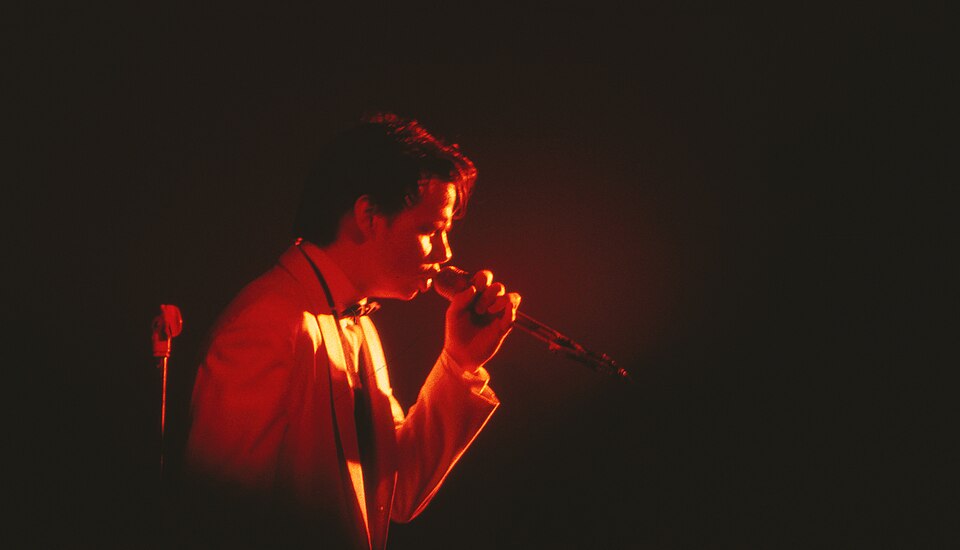


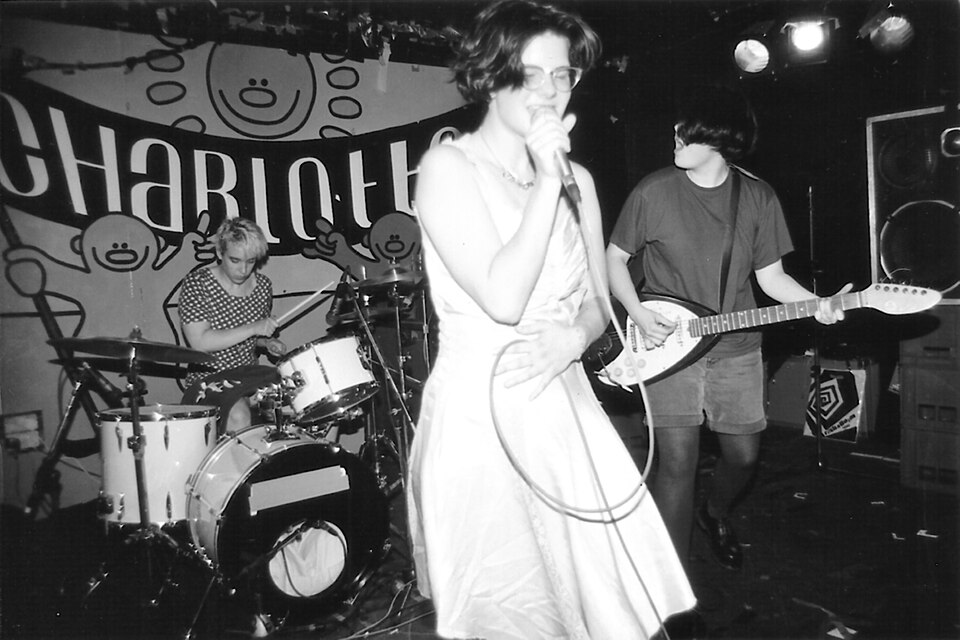


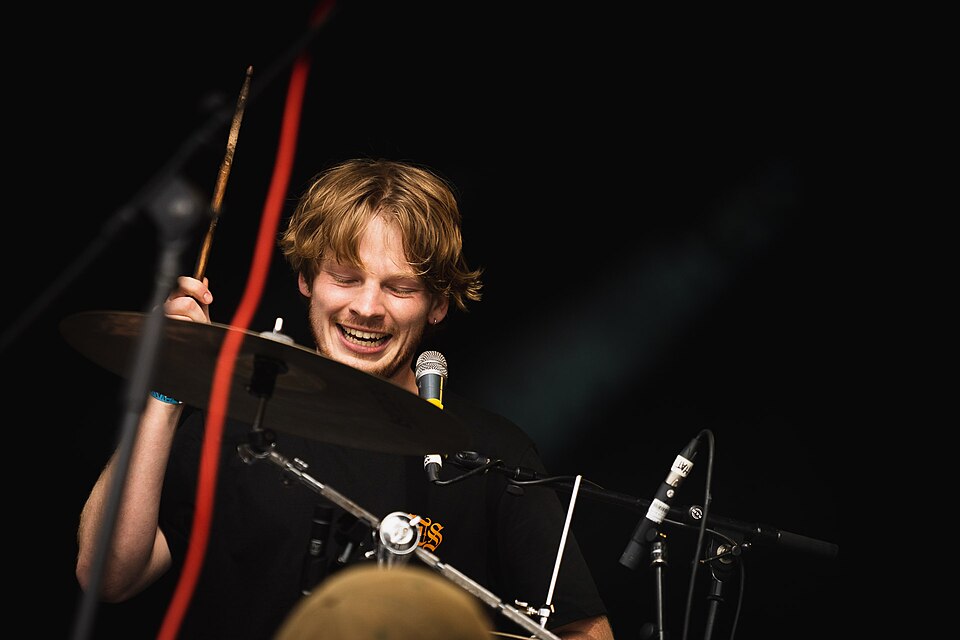

- 4ADRamones shaped Cocteau Twins.Patti Smith shaped Cocteau Twins.Talking Heads shaped Pixies.
- SeattleRamones shaped Nirvana.
- Lower East SideRamones shaped The Strokes.Talking Heads shaped LCD Soundsystem.
- SST RecordsRamones shaped Black Flag and Hüsker Dü.Television shaped Sonic Youth.Patti Smith shaped Sonic Youth.Talking Heads shaped Sonic Youth.
- DC HardcoreRamones shaped Bad Brains.
- Detroit–Ann ArborRamones learned from The Stooges and MC5.Talking Heads learned from The Stooges.
- Elephant 6Patti Smith shaped of Montreal.
- Greenwich VillagePatti Smith learned from Bob Dylan.
- The Windmill SceneTalking Heads shaped black midi.
What came out of it
Almost nothing connects these four musically, and that is the point: the Ramones' own drummer drew a line between his CBGB peers and the bands that actually influenced him, so on the map no line of influence joins most of them. What they shared was a room and a rule, and each left it in a different direction — the Ramones into punk, Television into art rock, Smith into poetry-as-performance, Talking Heads into art-pop and eventually Remain in Light. The scene's descendants are enormous and almost entirely separate from one another.
Who they learned from 6


Who learned from them 34
 Black Flagnames Ramones
 The Clashnames Ramones
 The Slitsnames Patti Smith
 Wirenames Ramones
 Bad Brainsnames Ramones
 Echo & the Bunnymennames Television
 Cocteau Twinsnames Ramones +1
 Hüsker Dünames Ramones
 The Replacementsnames Ramones
 The Soundnames Patti Smith
 R.E.M.names Patti Smith
 Sonic Youthnames Television +2
 The Blue Nilenames Talking Heads
 Violent Femmesnames Patti Smith +1
 My Bloody Valentinenames Ramones
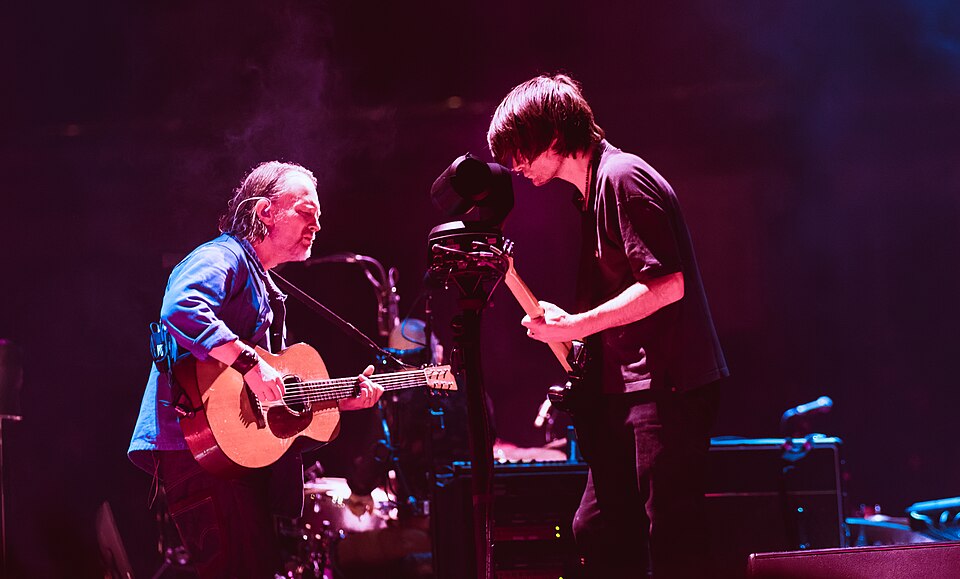 Radioheadnames Talking Heads
 Pixiesnames Talking Heads
 Talulah Goshnames Ramones
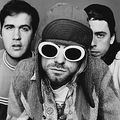 Nirvananames Ramones
 Tortoisenames Television
 Unwoundnames Television
 Jeff Buckleynames Patti Smith
 Modest Mousenames Talking Heads
 Spoonnames Talking Heads
 Wilconames Television
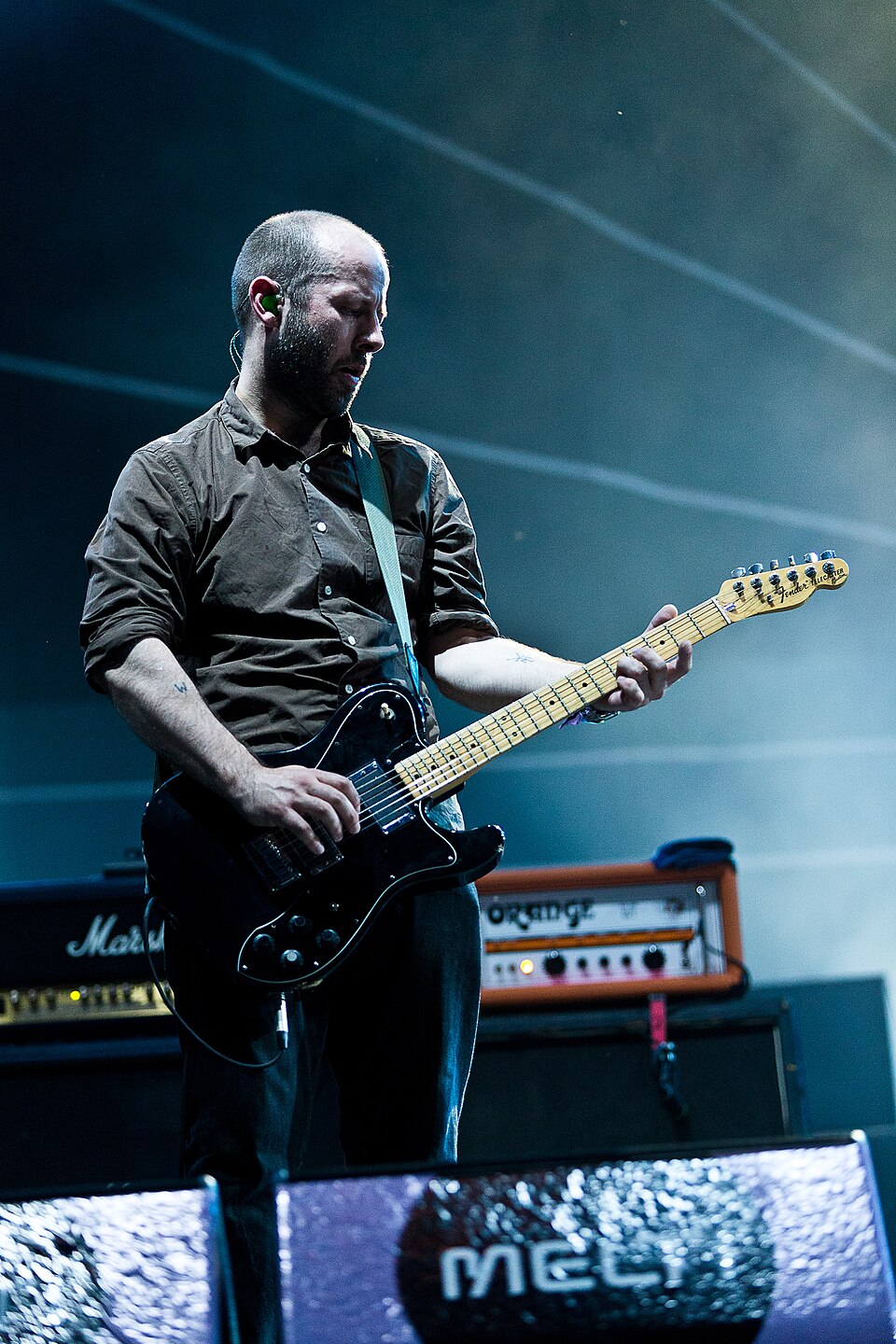 Mogwainames Television
 of Montrealnames Patti Smith
 The Strokesnames Ramones
 Arcade Firenames Talking Heads
 LCD Soundsystemnames Talking Heads
 MGMTnames Talking Heads
 Vampire Weekendnames Talking Heads
 Perfume Geniusnames Patti Smith
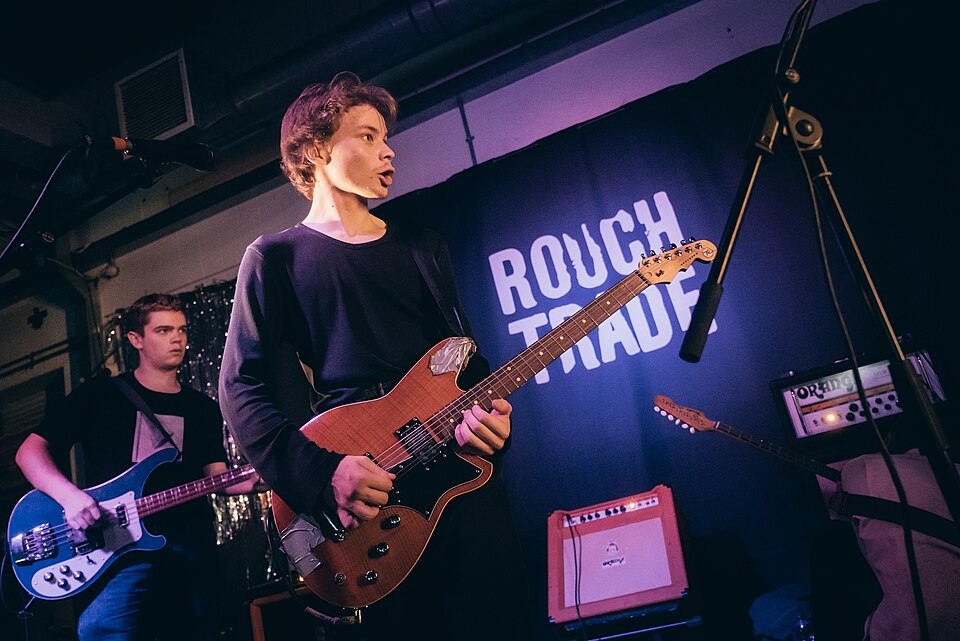 black midinames Talking Heads