Tap any face to see why they're in the photo

Who shaped them

Nobody on the map came before them: they're where this line starts.

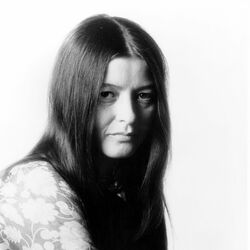
Karen Dalton

Karen Dalton

Since 1960 · United States

Karen Dalton was a fixture of the early-1960s Greenwich Village folk scene… Their story

See them on the map

Press ▶︎ to play

Loading…

It really plays! Press the middle

Who they shaped

In front, left to right: Joanna Newsom, Nick Cave & The Bad Seeds.

The bigger the face, the stronger the proof: they said it themselvesreporteda critic, or widely accepted

In My Own Time cover

Start here

In My Own Time (1971)

In My Own Time pairs Dalton's cracked, blues-worn voice with full, sometimes horn-inflected arrangements that were reportedly not entirely to her own taste — and the tension between her rough instrument and the record's polish is exactly what makes it so unsettling. "Something on Your Mind" stretches a simple melody until it sounds like grief itself, her phrasing arriving just behind or ahead of where a more conventional singer would land. Her version of "Katie Cruel" turns a traditional song into something closer to a threat. It's a record that sounds like almost no one else's, before or since.

Sleeve notes

Karen Dalton

In My Own Time · 1971

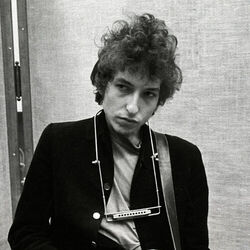
Karen Dalton was a fixture of the early-1960s Greenwich Village folk scene — Bob Dylan later wrote that she was his favorite singer there — but she resisted recording for years, distrustful of the music industry and reportedly uncomfortable hearing her own voice on tape. Her two studio albums, It's So Hard to Tell Who's Going to Love You the Best (1969) and In My Own Time (1971), were both made somewhat against her wishes, assembled from sessions she wasn't fully invested in completing.

Dalton's voice — cracked, blues-inflected, closer in texture to Billie Holiday than to any of her folk contemporaries — combined with her habit of recording other writers' songs rather than her own gave her catalog a haunted, secondhand quality that has only grown more resonant with time. Her rediscovery decades after her death has made her a frequently cited influence among artists drawn to a rawer, less polished vocal approach.
Since 1960 · United States

Played at

Greenwich Village

New York · 1961–1965

On the bill

The singer Dylan singled out as his favorite in the Village, and the one who left least behind — she mistrusted recording, sang other writers' songs rather than her own, and made both her albums somewhat against her own wishes.

The whole scene