
Tap any face to see why they're in the photo

Who shaped them

Bon IverPhoto: Simon.Appelblad · CC BY-SA 3.0

Bon Iver

Since 2007 · United States

Justin Vernon recorded For Emma, Forever Ago largely alone over a winter spent in his father's hunting cabin in rural Wisconsin, following the breakup of his previous band and a relationship, working with minimal equipment and almost no outside input. Their story

See them on the map

Press ▶︎ to play

Loading…

It really plays! Press the middle

Who they shaped

Behind them, left to right: Fugazi, Neil Young.

In front, left to right: Phoebe Bridgers.

The bigger the face, the stronger the proof: they said it themselvesreporteda critic, or widely accepted

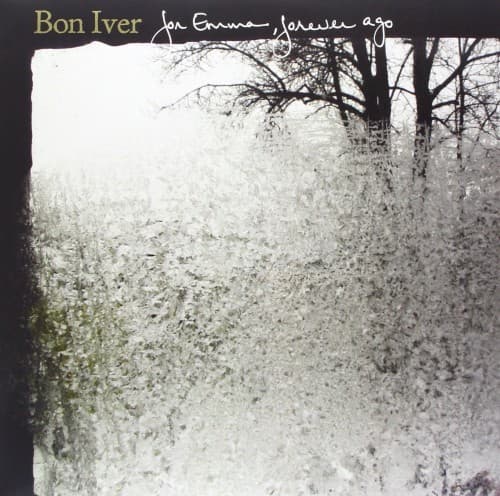
For Emma, Forever Ago cover

Start here

For Emma, Forever Ago (2007)

Recorded alone in a Wisconsin cabin over a single winter, For Emma, Forever Ago sounds exactly like its origin story: close-mic'd, heavily reverbed, built from layered falsetto vocals that read as private even when the words aren't fully intelligible. "Skinny Love" pairs a simple chord progression with a vocal performance that cracks and strains in ways a more polished record would have smoothed over. "Flume" opens the album on a similarly exposed note, alone with an acoustic guitar and almost no other instrumentation. Its hushed, isolated aesthetic became one of the most imitated sounds in American indie music of its decade.

Sleeve notes

Bon Iver

For Emma, Forever Ago · 2007

Justin Vernon recorded For Emma, Forever Ago largely alone over a winter spent in his father's hunting cabin in rural Wisconsin, following the breakup of his previous band and a relationship, working with minimal equipment and almost no outside input. The album's hushed, heavily reverbed sound and Vernon's frequent use of falsetto became one of the most widely imitated aesthetic templates in American indie music of the following decade, spawning countless comparisons and homages.

Vernon has spent the years since deliberately working against that template, pushing Bon Iver's later albums — Bon Iver, Bon Iver (2011), 22, A Million (2016), i,i (2019) — toward denser, more electronically processed and structurally unconventional territory, while maintaining an active career as a collaborator and producer for other artists. The isolation-cabin origin story of the debut, though, remains the reference point most listeners still associate with the project.

Since 2007 · United States