Tap any face to see why they're in the photo

Who shaped them

Nobody on the map came before them: they're where this line starts.

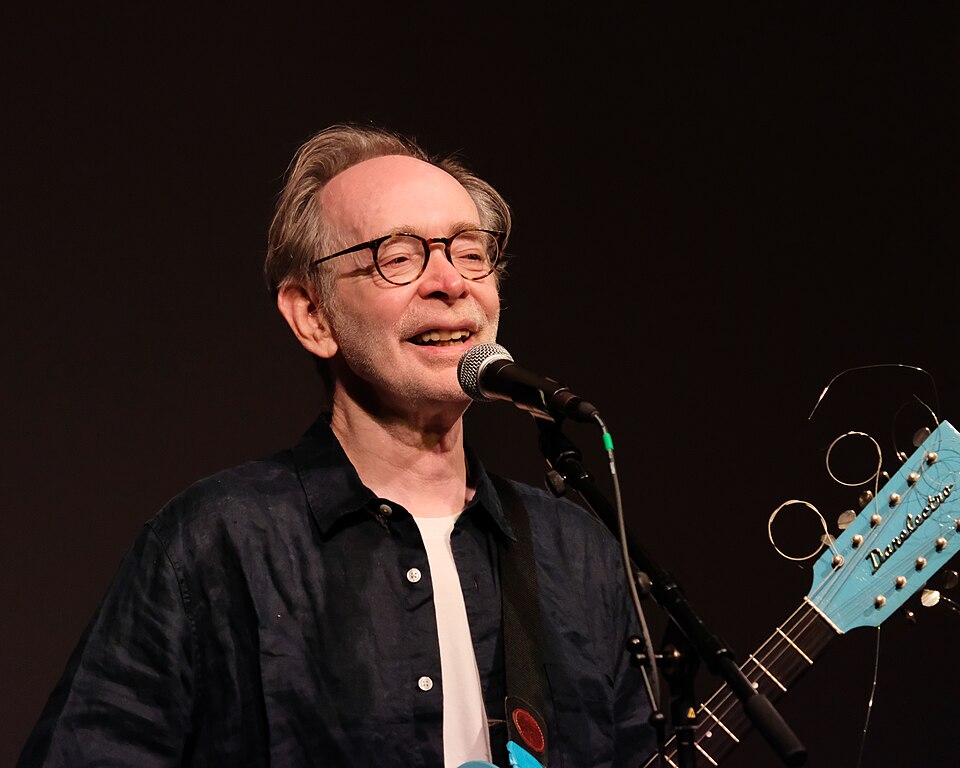
DNAPhoto: Kaethe17 · CC BY 4.0

DNA

Since 1978 · United States

DNA formed in New York in 1978, built around Arto Lindsay's deliberately untrained, atonal guitar playing and Ikue Mori's angular, off-kilter drumming, a combination that treated conventional technique as something to be actively avoided rather than mastered. Their story

See them on the map

Press ▶︎ to play

Loading…

It really plays! Press the middle

Who they shaped

In front, left to right: Sonic Youth.

The bigger the face, the stronger the proof: they said it themselvesreporteda critic, or widely accepted

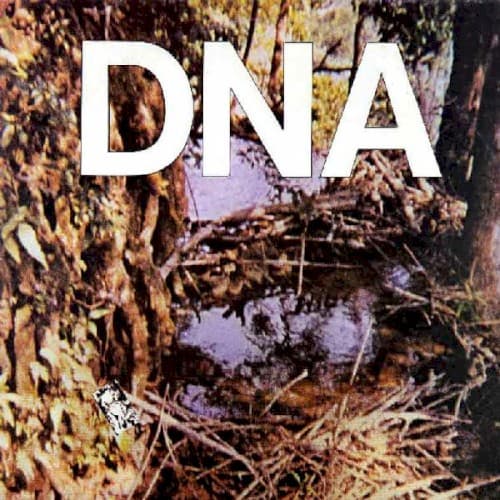
A Taste of DNA cover

Start here

A Taste of DNA (1981)

A Taste of DNA gathers DNA's scattered, hard-to-find early singles into the clearest available document of the band's radically anti-technical approach. "Blonde Red Head" is built from Arto Lindsay's deliberately untrained, atonal guitar and Ikue Mori's off-kilter drumming, the two instruments seeming to actively resist locking together rather than support each other. Lindsay's yelped, largely wordless vocal adds a further layer of instability on top. The song's title would later become a band's name entirely — Blonde Redhead — a small but direct measure of how far DNA's influence actually traveled.

Sleeve notes

DNA

A Taste of DNA · 1981

DNA formed in New York in 1978, built around Arto Lindsay's deliberately untrained, atonal guitar playing and Ikue Mori's angular, off-kilter drumming, a combination that treated conventional technique as something to be actively avoided rather than mastered. The band's music was jagged and brief, built from sudden shifts and dissonant clusters rather than anything resembling a riff or a groove, and Lindsay's yelped, often wordless vocals added a further layer of instability on top.

A Taste of DNA (1981) gathered the band's scattered singles and EP material into a fuller picture of their brief but influential run, including the song "Blonde Red Head," whose title a later band would take directly as their own name. DNA's radical rejection of musical convention — treating an instrument's proper technique as an obstacle rather than a goal — made the band one of the most structurally uncompromising acts to emerge from the no wave scene, its influence felt well beyond the small circle of bands who shared stages with them at the time.

Since 1978 · United States

Played at

No Wave

Lower Manhattan · 1978–1983

On the bill

One of the four acts on No New York; Arto Lindsay and Ikue Mori's anti-technique approach set the scene's most structurally uncompromising benchmark.

The whole scene