
Pictured: Pavement
← Today’s issueThe daily of where sound came fromp. 46
Born 1992 · Sebadoh, Guided by Voices and Pavement
Lo-fi
Music that treats its own recording limitations as a feature rather than an obstacle — four-track tape hiss, off-mic vocals, and deliberately rough edits left audibly in place. Lo-fi is a recording aesthetic first and a songwriting style second, distinct from — though closely related to — indie-pop's more polished melodic tradition.
See it on the map →How it started


Pavement's Slanted and Enchanted, Guided by Voices' early cassette-only records, and Sebadoh's home-4-track output all arrived within a couple of years of each other in the early 1990s, none of them coordinating with the others, all of them treating a Portastudio's limitations as an aesthetic choice rather than a budget compromise — Robert Pollard and Lou Barlow in particular built entire discographies almost entirely out of that constraint.
we all got along well, and were huge fans. EVOL and Sister changed my life, and 'The World Looks Red' is my favorite Sonic Youth song.
The aesthetic never really went away — a second American generation (Alex G, Car Seat Headrest, Mac DeMarco) picked it back up in the Bandcamp and early-streaming era, this time as a deliberate throwback rather than a genuine budget limitation, and the tag now also covers artists for whom it's one texture among several rather than a whole identity.
Essential records
Start here
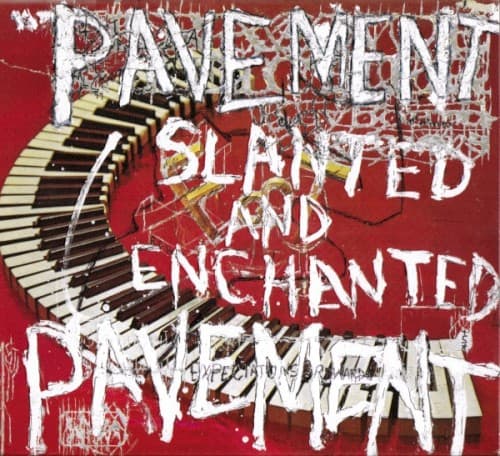
Slanted and Enchanted
 Pavement1992
Pavement's debut is deliberately fractured — verses fray into tape hiss, hooks arrive slightly out of focus, and Stephen Malkmus's guitar lines slouch instead of resolve, turning lo-fi limitation into a stylistic signature rather than an excuse. 'Summer Babe (Winter Version)' is the entry point, a woozy, melodic non sequitur that somehow still functions as a single; 'Here' and 'Trigger Cut' show the same sleight of hand — real songcraft smuggled under a scuzzy, indifferent surface. It set the template for a decade of American indie rock that treated irony and melody as compatible instincts, not opposing ones.
No. 2
Bee Thousand
 Guided by Voices1994
Bee Thousand crams dozens of fragments — some barely a minute long — into an album that feels like tuning across radio stations rather than listening to a single record. "I Am a Scientist" is one of the few tracks allowed to fully resolve, its plainspoken melody and hiss-caked production summing up the whole approach: real songcraft delivered with total indifference to studio polish. Robert Pollard's prolific, fragment-based writing method turns the album's roughness into its own kind of structure. It remains the record most responsible for making lo-fi indie rock feel like a legitimate tradition rather than a limitation.
No. 3
Exile in Guyville
 Liz Phair1993
Conceived as a song-by-song answer to the Rolling Stones' Exile on Main St., Exile in Guyville keeps the same eighteen-track scale while flipping the perspective toward a blunt, specifically female account of sex and disappointment. "Fuck and Run" states its subject as plainly as the title suggests, Phair's flat, unadorned voice refusing any sense of shame or performance around it. "Divorce Song" does something similar with the end of a relationship, treating small logistical details as the real site of heartbreak. Its directness was unusual enough on release that it's still cited as a turning point for how candidly women in indie rock could write about desire.
No. 4
Twin Fantasy
Twin Fantasy follows a fraught teenage relationship across an extended, unusually candid song cycle, its 2018 full-band re-recording bringing Will Toledo's original 2011 bedroom version into sharper, more widely heard focus. "Beach Life-In-Death" stretches past ten minutes, moving through several distinct sections that read as a single unbroken confession rather than a conventional verse-chorus structure. Toledo's lyrics stay specific and unguarded even as the arrangements grow more ambitious than his earlier lo-fi work allowed. It remains the album most responsible for turning a prolific bedroom project into a full band with a genuine audience.
No. 5
House of Sugar
 Alex G2019
House of Sugar folds Alex G's bedroom-pop instincts into denser, stranger arrangements, pitch-shifted vocals and queasy, off-kilter twang sitting alongside genuinely pretty melodies. "Gretel" pairs a plainspoken, almost folk-song structure with production that keeps tilting the ground underneath it, never settling into a single genre. The record trusts unease and prettiness to coexist in the same verse without resolving the tension. It remains the clearest document of Giannascoli's move from raw home recordings toward something more meticulously constructed without losing the strangeness that made the early tapes compelling.
No. 6
Dusk at Cubist Castle
Dusk at Cubist Castle alternates fully arranged pop songs with disorienting tape-collage interludes, treating melody and noise as tools from the same box rather than opposing instincts. "Jumping Fences" leans into the pop side of that equation, its bright, layered harmonies carrying real 1960s psych-pop craft even as the production stays gleefully lo-fi. The album's structure — song, then experiment, then song again — makes the whole record feel like a single continuous experience rather than a sequence of tracks. It stands as one of the most complete statements of the Elephant 6 collective's dual love of pure pop and genuine sonic strangeness.
No. 7
Salad Days
 Mac DeMarco2014
Salad Days wraps its warped, chorus-pedal guitar tone and unhurried tempos around lyrics that move between slacker humor and genuine anxiety about growing older. "Chamber of Reflection" strips the guitar back almost entirely in favor of a synthesizer figure, DeMarco's voice more vulnerable than his goofier public persona would suggest. The title track sets the record's tone directly, admitting to feeling "just like a kid" while gently doubting whether that's something to be proud of. It's a record that uses a loose, unserious surface to carry real reflection underneath.
No. 8
Manning Fireworks
 MJ Lenderman2024
Manning Fireworks pairs MJ Lenderman's dry, deadpan sense of humor with genuinely aching guitar-driven songwriting, never letting one undercut the other. "She's Leaving You" turns a specific, almost embarrassingly detailed scene into something both funny and quietly devastating, Lenderman's unhurried vocal delivery selling the joke and the heartbreak in the same breath. The arrangements stay loose and unpolished without ever sounding unfinished, guitars left ragged rather than sanded down for the studio. It's the record that established him as a distinct songwriting voice rather than simply Wednesday's guitarist.


Who plays it
The American 90s wave
The genre's actual founding generation, all working within a couple of years of each other without much direct contact — home-4-track recording as a genuine budget necessity that became a defining sound.
The 2010s bedroom revival
A second generation picked the aesthetic back up in the Bandcamp era, this time as a deliberate choice rather than a real constraint.


Where lo-fi blurs
Artists for whom the lo-fi recording aesthetic is one real ingredient rather than a home genre — shoegaze, hypnagogic pop, and alt-country all get fuller tellings on their own pages.



Where it came from, where it went
Nothing on the map has grown out of it yet.