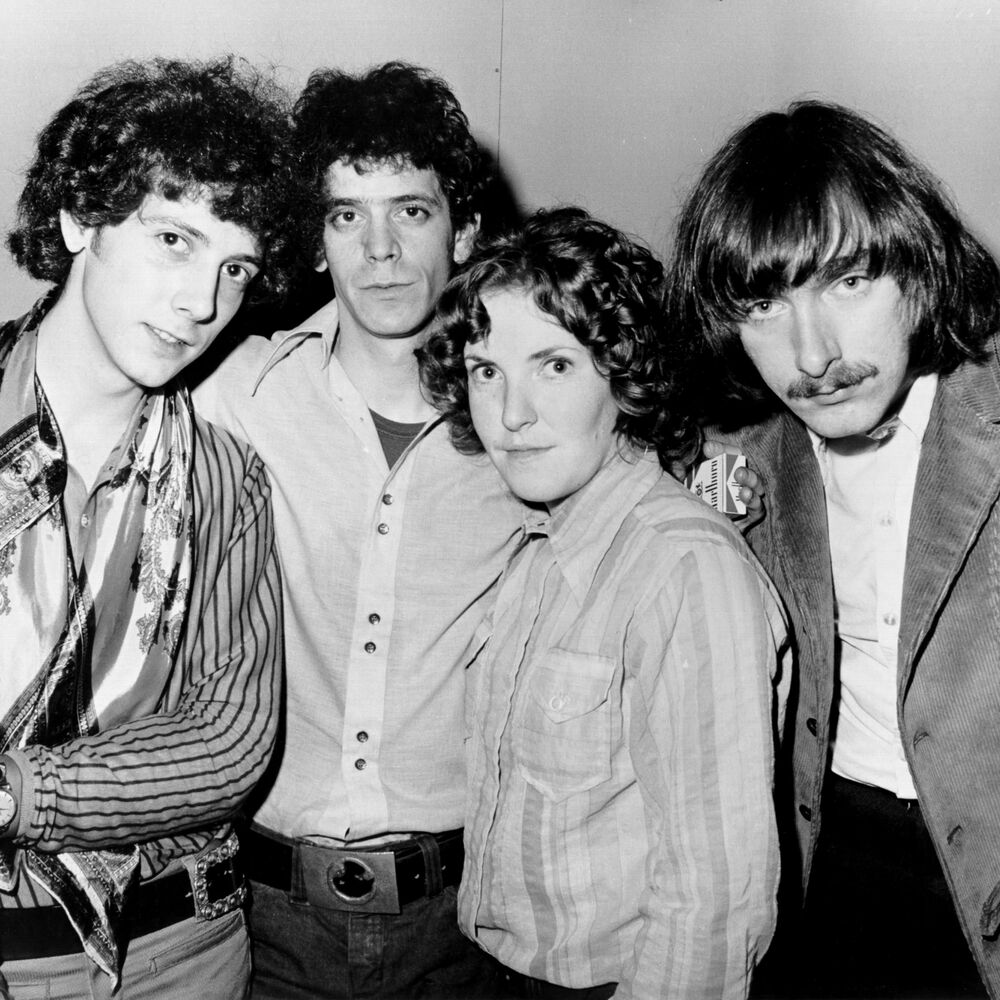
Pictured: The Velvet Underground
← Today’s issueThe daily of where sound came fromp. 6
Born 1967 · The Velvet Underground, then the Stooges in 1969
Proto-punk
Rock stripped of psychedelia's polish and blues-rock's showmanship, years before punk had a name — the root the entire punk lineage grows from. Proto-punk isn't one scene but several parallel ones, unified mostly in hindsight.
See it on the map →How it started
 MC51964
 The Velvet Underground1965
 The Stooges1967
 The Modern Lovers1970
 New York Dolls1971
 Television1973
The Velvet Underground's 1967 debut, with its detuned drone, deadpan vocals, and open indifference to musicianship-as-virtue, is the usual starting point — a New York art-scene answer to psychedelia's excess that almost nobody heard at the time but that reshaped everything downstream of it. The Stooges arrived two years later from Michigan with a cruder, more physical version of the same nihilism, Iggy Pop's feral stage presence doing as much of the work as the music itself.
It immediately spoke to me, and I became overjoyed to find this person, and I have been overjoyed ever since.
By the mid-1970s the sound had scattered into several barely-connected regional pockets that would all later get folded under the same retroactive label: Detroit's MC5 married the Stooges' aggression to radical politics, New York Dolls brought glam drag and Rolling Stones swagger to the same CBGB circuit that Television and Patti Smith were using for something more literary and art-damaged, and Boston's Modern Lovers ran the Velvet Underground's flat, deadpan drone through a suburban teenager's obsessions. Ramones and the Sex Pistols arrived a few years later still working from the same stripped-down template, right at the point where "proto-punk" becomes simply "punk" — the two genres share several artists, and punk gets its own fuller page.
Essential records
Start here
The Velvet Underground & Nico
The album built a sonic vocabulary around drone, noise, and abjection that no rock record had previously attempted. 'Heroin' accelerates and collapses to mirror a rush; 'Venus in Furs' deploys Cale's viola as a kind of tuned punishment; 'Sunday Morning' floats above it all in opiated calm. Nothing about it has dated, because it was never tied to a contemporary sound in the first place.
No. 2
The Stooges
 The Stooges1969
A primal, three-chord blast built around Ron Asheton's fuzz riffs and Iggy Pop's confrontational sneer, arriving fully formed before punk had a name for what it was. Produced by John Cale, the album strips rock to its rawest components — repetition, volume, adolescent want — and refuses anything resembling polish. 'I Wanna Be Your Dog' reduces desire to a single sledgehammer riff and a sleigh-bell hook, while '1969' turns teenage boredom into a mantra. It gave punk its founding text years before the word existed.
No. 3
Kick Out the Jams
 MC51969
Kick Out the Jams captures MC5 live at Detroit's Grande Ballroom, feedback and crowd noise bleeding straight into songs that barely stay inside their own arrangements. The title track opens on Rob Tyner's shouted rallying cry before Wayne Kramer and Fred "Sonic" Smith's dual guitars detonate into noise closer to free jazz than rock and roll. "Rocket Reducer No. 62" and "Starship" push the same chaos even further, the rhythm section barely holding each song together. It reads less like a studio statement than a document of a band trying to start a riot, and largely succeeding.
No. 4
New York Dolls
 New York Dolls1973
Glam sleaze and Stones-derived swagger played sloppy and loud, with Johnny Thunders' guitar sound becoming a direct blueprint for punk guitarists who came after. Produced by Todd Rundgren, the record sounds gloriously unfinished, as if the band might collapse mid-song at any moment. 'Personality Crisis' piles on piano, cowbell, and a sneering David Johansen vocal until it nearly collapses under its own excess. It sold poorly on release and shaped an entire generation of punk and glam bands regardless.
No. 5
The Modern Lovers
The Modern Lovers strips the Velvet Underground's droning simplicity down even further, pairing a steady, motorik pulse with Jonathan Richman's plainspoken, almost childlike sincerity. "Roadrunner" rides a two-chord vamp for over four minutes, Richman's ode to driving past suburban Massachusetts radio towers turning mundane detail into genuine ecstatic feeling. Recorded years before its eventual release, the album already sounds like a blueprint other bands would spend the following decade filling in. Its steady disregard for conventional rock posturing became a direct touchstone for both American underground rock and British punk.
No. 6
Horses
 Patti Smith1975
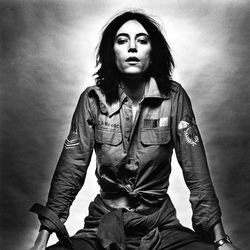
Horses opens with Smith rewriting Van Morrison's "Gloria" from the inside out, turning "Jesus died for somebody's sins but not mine" into a declaration of self rather than blasphemy. John Cale's production keeps the arrangements spare enough that Smith's voice, half-sung and half-recited, stays the whole point. "Land" stretches into a nine-minute suite that treats rock and poetry as the same discipline rather than two separate ones. Robert Mapplethorpe's stark, androgynous cover portrait of Smith became as much a statement of intent as anything on the record itself. Few debut albums have done more to argue that punk could be literature.
No. 7
Ramones
 Ramones1976
Ramones runs fourteen songs in under thirty minutes, each one built from the same three or four chords played faster and louder than anyone else was attempting in 1976. "Blitzkrieg Bop" opens the record with a shouted "Hey ho, let's go" that turns a football-chant hook into punk's founding anthem before the song is even a minute old. Tommy Ramone and producer Craig Leon kept the mix dry and immediate, refusing any of the era's usual studio polish. It's less a great record in the conventional sense than a complete rewriting of what a rock song needed to contain.


Who plays it
New York's art-damaged wing
The Velvet Underground's founding drone and the CBGB-era scene that grew out of its shadow — glam drag, beat-poetry, and a general refusal to play rock straight.
Detroit's harder answer
A cruder, more physical Midwestern counterpart to New York's art-school scene — The Stooges' feral nihilism, MC5's radical-politics aggression.
Where proto-punk becomes punk
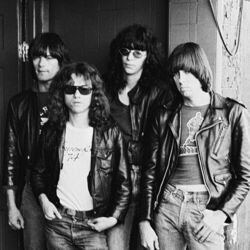
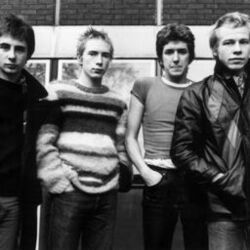
Released within a year or two of each other in the mid-70s, these three mark the actual handoff — Modern Lovers' Velvet Underground-indebted deadpan, then Ramones and the Sex Pistols stripping the template down to its final, fastest form. Punk's own page picks the story up from here.
Where it came from, where it went
- Garage rock1963
- Proto-punk1967
- Where it went