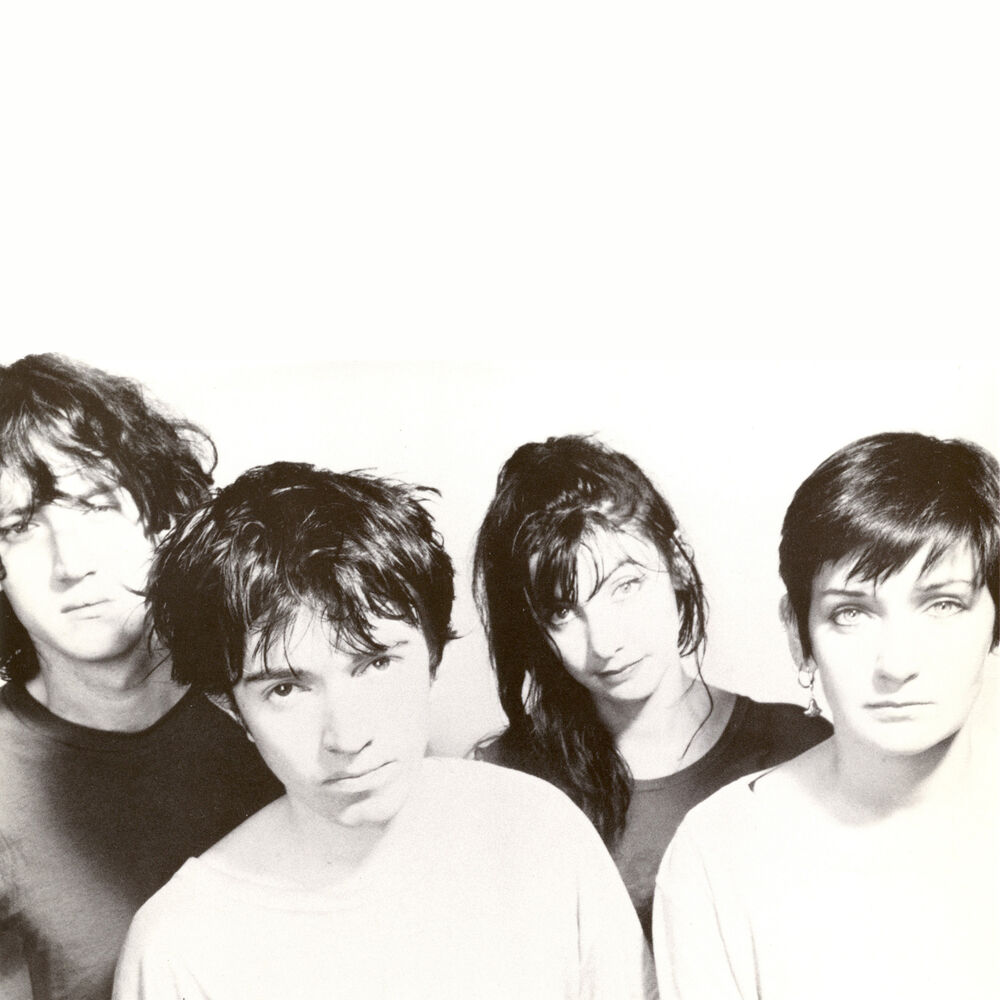
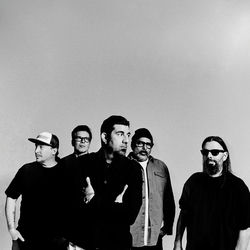
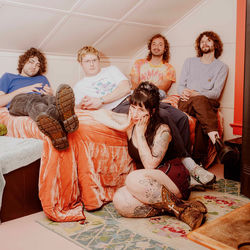
Pictured: My Bloody Valentine
← Today’s issueThe daily of where sound came fromp. 36
Born 1988 · My Bloody Valentine, Isn't Anything
Shoegaze
Guitar-pedal haze, oceanic walls of distortion, and vocals buried so deep in the mix they become texture. Shoegaze emerged from the UK in the late 1980s as a reaction against the studied cool of post-punk — something more overwhelming, more ambiguous, harder to hold at arm's length.
See it on the map →How it started

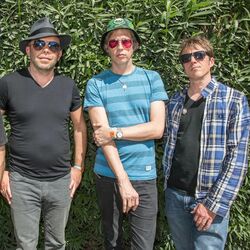
The name came from a dismissive joke — these guitarists spent their live sets staring at their pedalboards, lost in the sound they were making. The Jesus and Mary Chain sparked the template in 1985 with Psychocandy: Velvet Underground drones run through walls of feedback, with melodies buried underneath.
It was good because we were letting ourselves be more Sonic Youth-y, more of our influences in a way.
By 1988, My Bloody Valentine's Isn't Anything had turned that noise into a genre of its own, and a cluster of Oxford and Reading acts — Ride, Slowdive, Chapterhouse — formed around Creation and 4AD, the two labels that would define the first wave. My Bloody Valentine's own Loveless (1991) set a ceiling nobody has convincingly matched since.
Essential records
Start here
Loveless
Kevin Shields spent approximately £250,000 to achieve a guitar sound that had never previously existed — the 'glide guitar' technique, using the tremolo arm to detune and retune mid-strum while heavy reverb smoothed the pitch variation into a blur. 'Only Shallow' opens with a drum attack that suggests a more aggressive record before the guitars swell into that characteristic warmth; 'Sometimes' is so gossamer that notes dissolve before they fully arrive. The record remains the most technically radical statement in guitar music made since Jimi Hendrix.
No. 2
Souvlaki
 Slowdive1993
Produced with Mark Freegard specifically to achieve clarity rather than noise, Souvlaki sounds cleaner and more spatial than Loveless — the guitars dry enough that individual chord voicings register rather than smearing into each other. 'Alison' and 'Souvlaki Space Station' demonstrate the band's gift for melody unobscured by effects; Brian Eno's contribution on three tracks pushed the album beyond conventional shoegaze into textural experimentation. Pitchfork's retrospective reassessment effectively launched the shoegaze revival of the mid-2000s.
No. 3
Nowhere
 Ride1990
Ride's debut stands apart from most shoegaze by virtue of its rhythmic aggression — the drums mixed higher and hitting harder than on any MBV or Slowdive record, giving songs like 'Vapour Trail' and 'Polar Bear' a physical impact that the genre's hazy textures often softened away. 'Vapour Trail' became the definitive statement, its overlapping vocal harmonies and chiming guitar layers producing a sweetness that was entirely Ride's own. Nowhere holds up as the most exhilarating entry point into the scene.
No. 4
Psychocandy
The Jesus and Mary Chain buried the most straightforwardly melodic songwriting impulses in British music under a wall of feedback and cassette-quality distortion — and the melodies are good enough to survive the treatment. 'Just Like Honey' carries one of the decade's most immediately affecting vocal melodies on a drum-machine thump and feedback wash; 'Never Understand' demonstrates the more aggressive pole. It created the template for noise-pop — aggressive sound design as a vehicle for romantic songwriting — that My Bloody Valentine and two decades of indie bands would inherit.
No. 5
Spooky
 Lush1992
Produced by Robin Guthrie of the Cocteau Twins, Spooky is Lush at their most directly dreamy — Guthrie's guitar processing blurring the edges of Miki Berenyi and Emma Anderson's dual vocals while the rhythm section keeps the songs moving forward rather than dissolving into pure texture. Berenyi and Anderson's harmonies — both singing lead simultaneously in different registers — give the album a duality that no other shoegaze record matched. The Guthrie connection situates it sonically between 4AD's existing dream-pop aesthetic and the grungier shoegaze emerging from Creation Records.


Who plays it
Pioneers
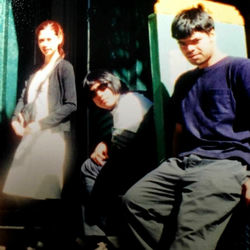
The genre's first wave, most active between 1979 and 1995. Many were dismissed as derivative by the press at the time and commercially overlooked — all are now considered essential.


Modern torchbearers
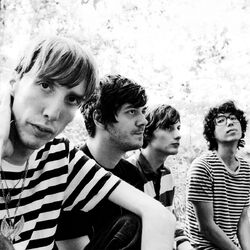
After a mid-90s backlash quieted the original wave, shoegaze never fully disappeared — it went underground and global. Deerhunter, Wolf Alice, and Korea's Parannoul absorbed the template and pushed it forward, often in entirely different cultural contexts, while a whole undercurrent of bedroom and internet-era acts kept the wall of sound alive outside the industry's notice.







Where it came from, where it went
Nothing on the map has grown out of it yet.