
Pictured: The Velvet Underground
← Today’s issueThe daily of where sound came fromp. 58
Born 1967 · The Velvet Underground & Nico
Art rock
Rock ambition borrowed from the art gallery rather than the blues bar — conceptual seriousness, theatrical persona, and a studio treated as a compositional tool in its own right. Art-rock is this map's oldest root genre, running in an unbroken line from 1967 to the present.
See it on the map →How it started


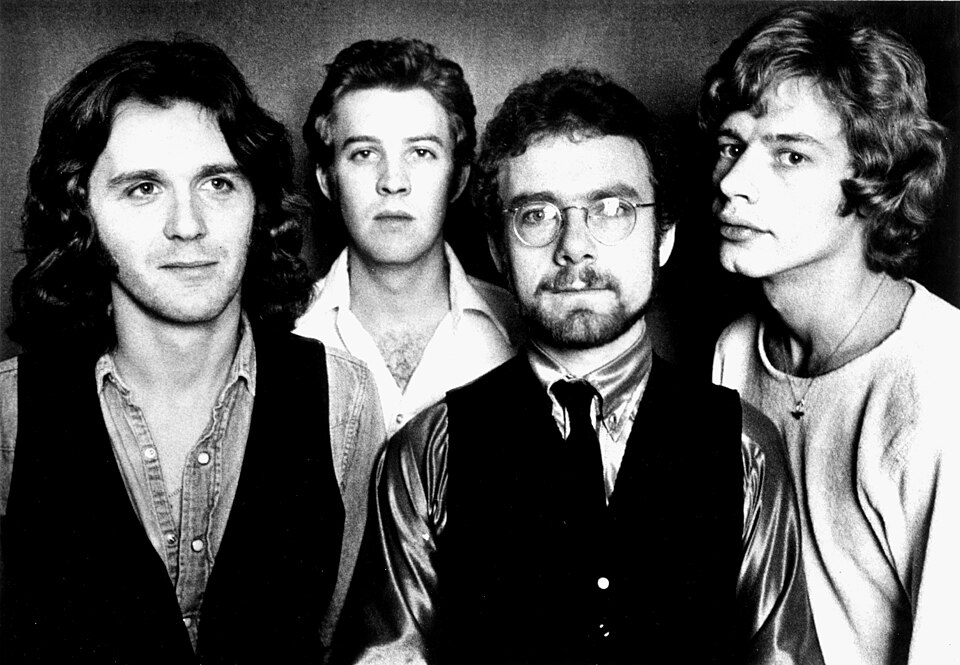


The Velvet Underground & Nico, released in 1967, is as close to a single founding document as this map's genres get — Lou Reed and John Cale's fusion of pop songcraft with Cale's classical-avant-garde training and Andy Warhol's art-world backing, treating a rock record as something that could carry the same seriousness as a gallery show. Nico's own solo work extended the same instinct into something colder and more chamber-like within a few years.
I think he's probably been my idol since I was a kid.
The idea proved durable rather than a single moment — David Bowie spent the 1970s demonstrating that a new persona and sonic palette could arrive with every record, Television and Talking Heads brought a more angular, art-school version of the same seriousness to CBGB's stage a few years later, and the whole tradition has kept absorbing new scenes ever since, from 1980s British post-punk's own art-damaged wing through a genuinely global 21st-century revival.
Essential records
Start here
The Velvet Underground & Nico
The album built a sonic vocabulary around drone, noise, and abjection that no rock record had previously attempted. 'Heroin' accelerates and collapses to mirror a rush; 'Venus in Furs' deploys Cale's viola as a kind of tuned punishment; 'Sunday Morning' floats above it all in opiated calm. Nothing about it has dated, because it was never tied to a contemporary sound in the first place.
No. 2
The Rise and Fall of Ziggy Stardust and the Spiders from Mars
 David Bowie1972
Mick Ronson's guitar — simultaneously orchestral (his string arrangements for 'Lady Stardust') and viscerally physical (the opening riff of 'Hang On to Yourself') — gives the album a range that Bowie's theatrical concept required but couldn't guarantee. 'Starman' is the moment that changed British pop culture: Bowie's Top of the Pops performance in June 1972 functions as a before/after marker for an entire generation's sense of what rock music could do or be. The concept — rock star as extraterrestrial — created the precedent for every subsequent pop persona, from Prince to Lady Gaga.
No. 3
Remain in Light
 Talking Heads1980
Brian Eno and David Byrne stripped the band's rhythms to their cellular components and rebuilt them from the outside in, layering polyrhythmic African guitar patterns over Adrian Belew's alien lead work and a rhythm guitar that functions more as percussion than harmony. 'Once in a Lifetime' — a talking-blues meditation on subconscious anxiety, delivered by Byrne like a televangelist losing his nerve — is the obvious touchstone, but 'Crosseyed and Painless' hits harder as a pure rhythmic proposition. The album invented a template for the post-punk dance floor and for indie rock's engagement with African music simultaneously.
No. 4
Marquee Moon
 Television1977
Tom Verlaine and Richard Lloyd developed a counterpoint guitar style that owed more to jazz improvisation than any rock tradition, and the eight-minute title track is where it reaches its apex — two guitars spiraling around each other in a final stretch that neither musician appears to dominate. Engineer Andy Johns captured the guitars with such clarity that the record sounds as live today as any recent release. No punk record from the same year sounds as technically accomplished or as emotionally controlled.
No. 5
Future Days
 Can1973
Can's third album with singer Damo Suzuki traded the sprawling improvisation of Tago Mago for something more atmospheric and dissolved — long, floating pieces built from Jaki Liebezeit's impossibly steady motorik pulse and Holger Czukay's tape-collage production. The title track drifts on shimmering guitar and synthesizer textures until it barely resembles a rock song at all; 'Moonshake' compresses the same instincts into something closer to a pop single. It was Suzuki's final record with the band before he left to become a Jehovah's Witness, and it stands as the most serene and most influential entry in a catalog that shaped ambient, post-rock, and electronic music for decades after.
No. 6
OK Computer
 Radiohead1997
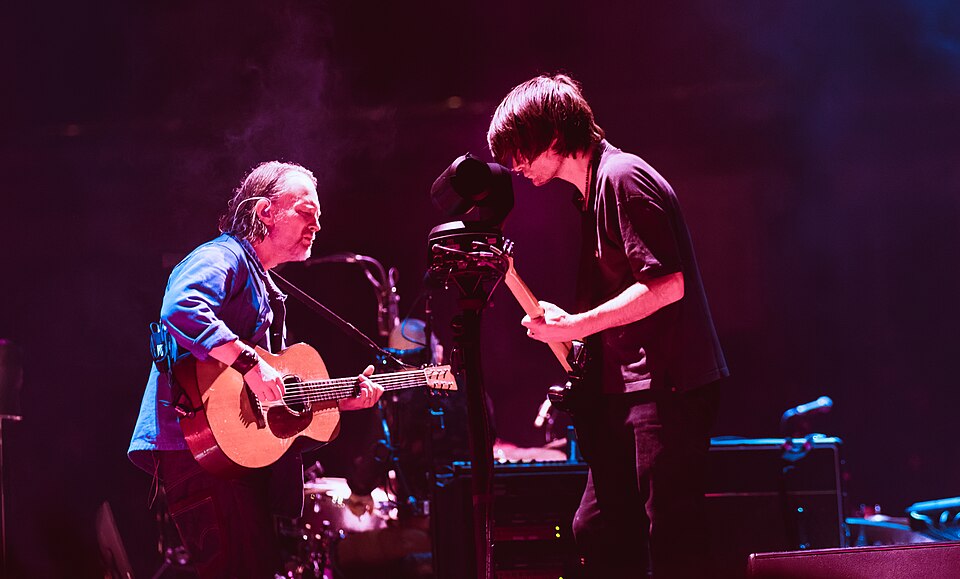
Jonny Greenwood's arrangements — orchestral strings, ondes Martenot, and studio manipulation deployed as readily as guitar — transformed Thom Yorke's anxieties about technological dystopia into one of the most sonically overwhelming albums in mainstream rock's history. 'Paranoid Android' alone justifies the album's canonical status: a six-minute suite moving through three distinct movements without ever feeling assembled rather than composed. The record reset the parameters of what a mainstream guitar album could aspire to.
No. 7
Laughing Stock
 Talk Talk1991
Laughing Stock treats silence as seriously as sound, built from extended improvised sessions edited down into spacious, unhurried pieces that rarely resemble conventional songs at all. "New Grass" drifts through shifting instrumental textures — organ, guitar, brushed drums — that seem to arrive and recede according to their own logic rather than any verse-chorus structure. Mark Hollis's hushed, fragmentary vocal treats words as just another texture in the mix rather than the song's focus. Barely noticed at the time, it's now recognized as one of the direct sources of the entire post-rock movement that followed it.
No. 8
Rain Dogs
 Tom Waits1985
Rain Dogs assembles clattering junkyard percussion, marimba, and Tom Waits's ruined-gravel voice into a sound that belongs to no other record before or since. "Time" pulls back from the album's noisier experiments into something closer to a devastated ballad, Waits's voice finding real tenderness underneath all the rasp. Elsewhere the record lurches between tango, blues, and something closer to carnival music without ever losing its own internal logic. It remains the clearest single document of Waits's transformation from lounge crooner into one of American music's most idiosyncratic storytellers.
No. 9
Desertshore
 Nico1970
Built on harmonium drones, bowed strings, and Nico's baritone pressing down like a change in barometric pressure, Desertshore is the darkest and most sustained entry in her solo catalog. 'Janitor of Lunacy' became a reference point for industrial and gothic music alike, its oscillating minor melody lodged in the ear long after the record ends. Cale's arrangements are orchestral in implication but spare in practice, leaving vast negative space around each song.
No. 10
Let Love In
'Red Right Hand' opens with a churning organ figure that became one of rock's most recognizable riffs — menacing, hypnotic, and definitively Cave. The album marks the mature form of the Bad Seeds' sound: dark cabaret arrangements of obsession and violence, held together by Cave's baritone and Mick Harvey's precise orchestrations. It is the pivot in Cave's catalog, darker and more confrontational than what came before and the direct foundation for the literary murder-ballad phase that followed.
No. 11
Tender Buttons
 Broadcast2005
With Tender Buttons, Broadcast shed their rhythm section entirely — just Trish Keenan and James Cargill, using synthesisers, drum machines, and tape loops to construct an electronic landscape that sounds less like pop music than library music recorded by aliens. 'Tears in the Typing Pool' achieves something remarkable: a song with a hook, built entirely from synthesiser tones and drum machine patterns that nonetheless carries the emotional weight of a personal lyric. The album distilled Broadcast's entire aesthetic into its essential components and influenced the wave of UK electronic music that followed, from Ghost Box Records to Panda Bear's studio approach.


Who plays it
The founding wave, 1967–1980
The genre's actual originators — American art-school seriousness (Velvet Underground, Television, Talking Heads), Bowie's persona-driven glam, and a UK post-punk wing (Wire, X-Ray Spex) that carried the same ambition into a rawer, more confrontational register.


Art-rock's 1980s and 90s turn
A second generation took the same seriousness in gothic, chamber, and post-rock-adjacent directions — Nick Cave's baroque menace, Talk Talk's dissolution into near-classical calm, Godspeed's orchestral maximalism, and a handful of artists (Fishmans, Broadcast, Tom Waits) building entirely idiosyncratic versions of the same idea.





The 21st-century UK wing
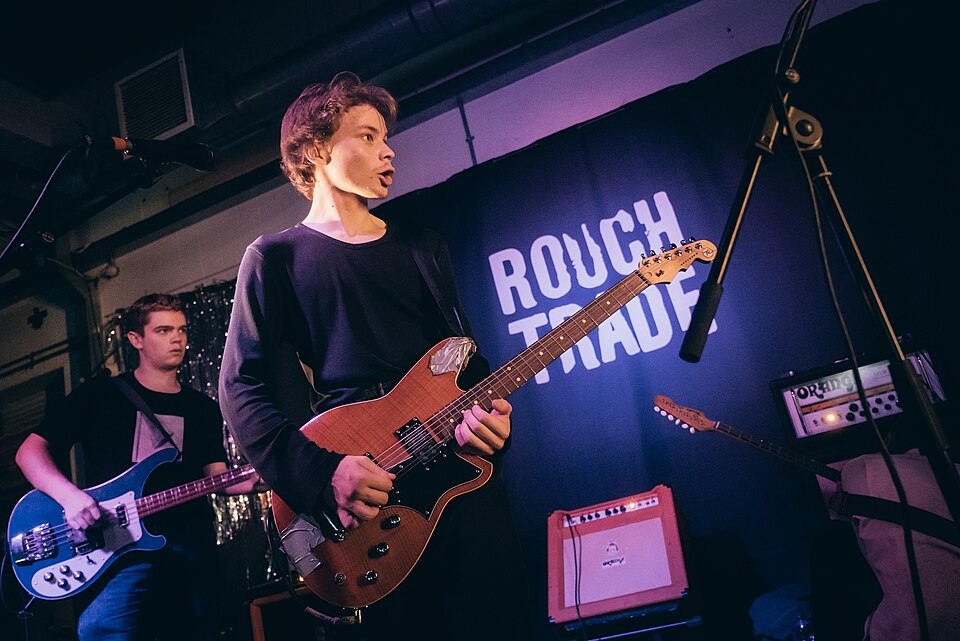
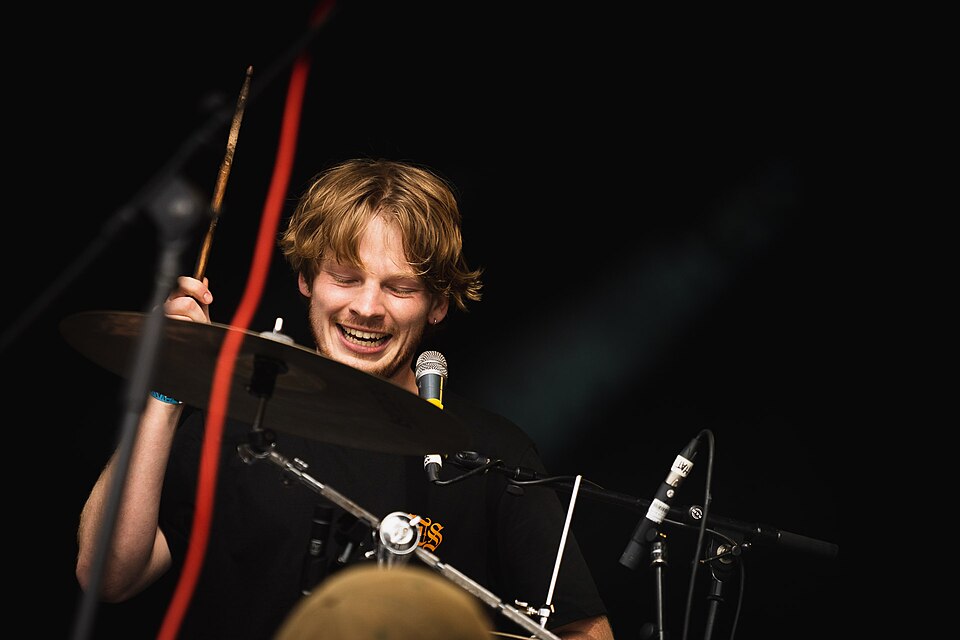
A new generation of UK bands — Radiohead chief among them — kept art-rock's structural ambition alive well past the genre's supposed expiration date, feeding directly into the 2020s Windmill-scene wave of black midi, Black Country New Road, and Squid.


The 21st-century American wing
An American answer running in parallel — Wilco and Spoon's studio-experimental turn on straightforward rock songwriting, The Walkmen's brooding grandeur, St. Vincent's persona-driven guitar theatrics, and Geese's recent, deliberately unclassifiable arrival.


Where it came from, where it went
- Art rock1967
- Where it went
Nothing on the map came before it: this is where its road starts.