
Pictured: Burial
← Today’s issueThe daily of where sound came fromp. 106
Born 1991 · Massive Attack, Blue Lines
Trip-hop
Hip-hop's sampled breakbeats slowed to a crawl and soaked in dub bass and cinematic strings — a Bristol-born sound built for late nights and comedowns rather than the dancefloor or the block party. Trip-hop is one of the few genres here genuinely tied to a single city.
See it on the map →How it started


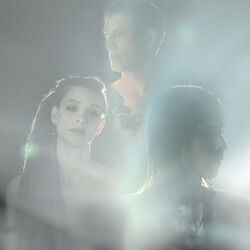


Massive Attack's Blue Lines, released in Bristol in 1991, set almost the entire template at once: hip-hop's sampling and breakbeat foundation, slowed down and layered with dub reggae's bass weight and soul-inflected vocal features, all wrapped in a moody, cinematic production sheen. The name itself came a little later, coined by the UK music press to describe the wider Bristol scene the record helped kick off.
Can are my favourite and most inspirational band ever, I think.
Portishead (Dummy, 1994) and Tricky (Maxinquaye, 1995 — Tricky had been part of Massive Attack's own collective) pushed the same Bristol sound toward starker, more paranoid extremes within a few years of Blue Lines, while Sneaker Pimps carried a slicker, more song-based version of it into the mid-90s British charts. More than a decade later, Burial's Untrue (2007) revived the mood — hip-hop and 2-step garage slowed and submerged in reverb — for a UK garage-adjacent generation with no direct link to Bristol at all.
Essential records
Start here
Dummy
 Portishead1994
Dummy sounds like a film score for a movie that doesn't exist, built from crackling vinyl samples, jazz-inflected guitar, and Beth Gibbons's aching, vulnerable vocal performances. "Glory Box," built around a sampled Isaac Hayes guitar line, is the album's emotional peak, Gibbons's voice moving from weary resignation to something closer to demand across the song's four minutes. "Sour Times" pairs a tense, cinematic arrangement with one of the record's most immediately memorable vocal hooks. Its combination of hip-hop production technique and torch-song emotional register gave the trip-hop label its clearest and most widely cited musical template.
No. 2
Mezzanine
 Massive Attack1998
Mezzanine is Massive Attack's coldest, most guitar-heavy record, layering industrial textures and dub bass under a set of vocal performances pulled from very different traditions. "Teardrop" is the clear centerpiece, Elizabeth Fraser's vocal — reportedly recorded after the band turned down a bigger-name singer for the part — floating over a heartbeat-like rhythm and a harpsichord figure that gives the song its unusual gravity. "Angel" and "Inertia Creeps" show the album's darker register, closer to industrial rock than to the hip-hop-inflected sound of the band's earlier records. It remains the point where Massive Attack's music turned decisively toward dread rather than the warmer melancholy of their earlier work.
No. 3
Maxinquaye
 Tricky1995
Maxinquaye pairs Tricky's murmured, paranoid lyrics with Martina Topley-Bird's voice, which carries most of the album's actual singing and gives the record an androgynous, unsettled quality rare in mid-'90s British music. "Hell Is Round the Corner" builds its menace from a slowed, warped sample and Tricky's own half-spoken verses, dread arriving through atmosphere rather than volume. "Black Steel," a cover of a Public Enemy track rebuilt as sludgy rock, shows the record's willingness to pull from entirely unrelated genres without softening the source material. It's a claustrophobic, deeply personal record that helped define trip-hop's darker, more paranoid edge alongside Portishead's more cinematic version of the same moment.
No. 4
Untrue
 Burial2007
Untrue takes the vinyl crackle, pitched-up vocal samples, and skeletal 2-step rhythms of Burial's debut and turns them into something closer to pop songwriting, without sacrificing any of the fog the earlier record was built from. "Archangel" is the clearest case — a chopped, helium-pitched vocal sample looped over a slow, melancholic beat that somehow reads as genuinely emotional rather than as a production trick. "Ghost Hardware" and the title track extend the same palette into more skeletal, unresolved territory. It's a record that made isolation and bad weather sound like a legitimate genre unto itself, and a good deal of the UK bass and ambient-adjacent music that followed still carries its influence.
Who plays it
The Bristol sound, 1991–1996
The scene that actually built the genre — a small, tightly linked circle of Bristol producers slowing hip-hop down and soaking it in dub.
A later revival
Burial revived trip-hop's hushed, reverberant mood over a decade later, filtered through 2-step garage rather than Bristol's original dub and soul influences.
Where it came from, where it went
- Minimalism1964
- Ambient1978
- Trip-hop1991
Nothing on the map has grown out of it yet.