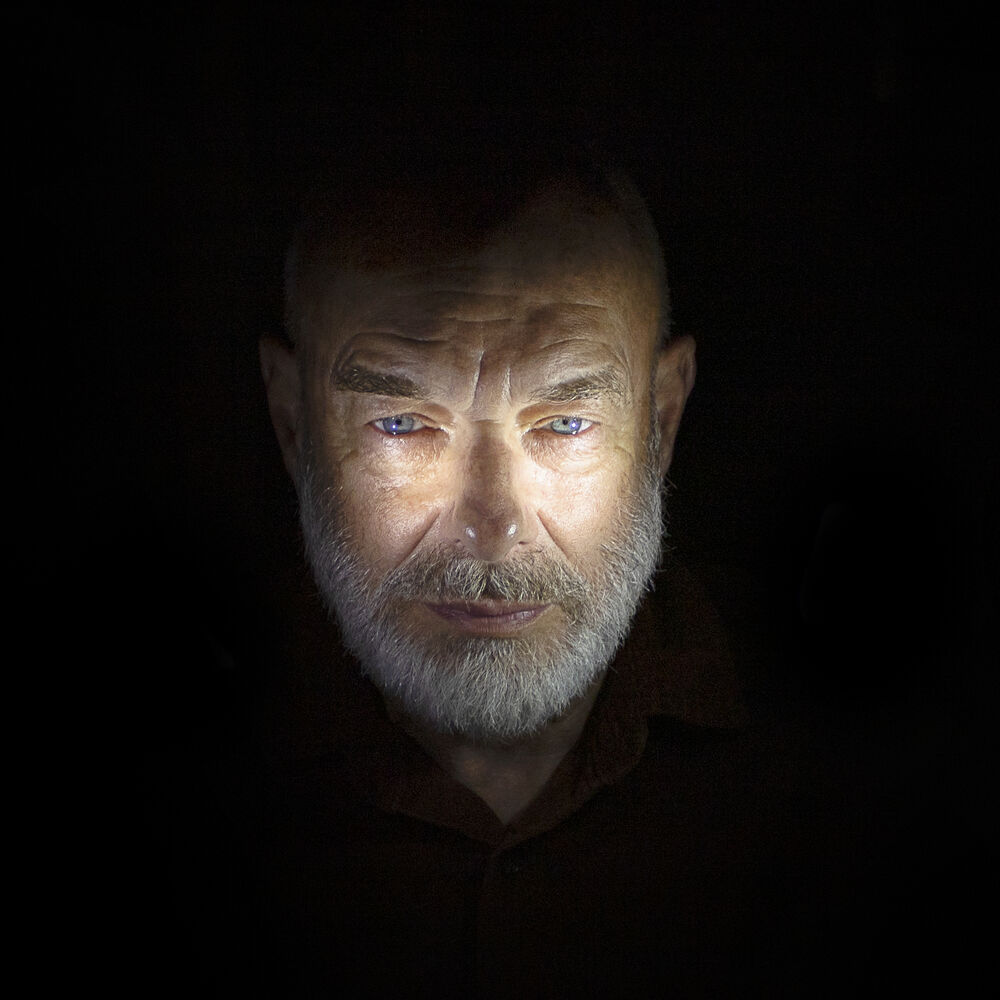
Pictured: Brian Eno
← Today’s issueThe daily of where sound came fromp. 102
Born 1978 · Brian Eno, Music for Airports
Ambient
Music built from sustained tone and slow harmonic drift rather than rhythm or melody — designed, in Brian Eno's own words, to be "as ignorable as it is interesting." Ambient has no real waves of its own; it's been a continuous, quietly expanding tradition since the late 1970s.
See it on the map →How it started

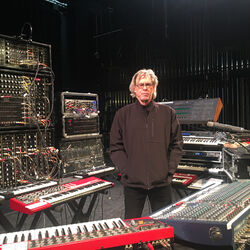



Brian Eno coined the term outright with 1978's Music for Airports, defining ambient in the sleeve notes as music that could reward attention or ignore it entirely without losing anything. The record itself grew out of his krautrock-adjacent collaborations with Cluster and Harmonia earlier in the decade — the same German scene's patience and distrust of verse-chorus form, stripped down further until rhythm disappeared almost completely.
became my go-to technique for making something interesting straight away.
Because it was never built around a scene or a single geography, ambient didn't have a backlash or a revival — it just kept absorbing new tools. Digital sampling and granular synthesis in the 1990s and 2000s gave it a second life without displacing the first, and its own children — drone and trip-hop, both genres in their own right — split off to chase specific pieces of what ambient does.
Essential records
Start here
Selected Ambient Works 85–92
 Aphex Twin1992
Selected Ambient Works 85–92 collects tracks Richard D. James made largely alone, over several years, before electronic music had many established ambient conventions to draw on. "Xtal" opens the record on a hazy, pitched-vocal loop over a soft breakbeat, setting a tone — melodic, slightly melancholy, unhurried — that the rest of the album maintains without repeating itself. "Ageispolis" and "Green Calx" show the same instincts pushed into stranger, more abstract territory. Decades on, it still functions as a kind of entry point for ambient techno, precise and personal in a genre that can otherwise feel anonymous.
No. 2
The Pearl
 Harold Budd1984
The Pearl extends the hushed, reverb-soaked piano language Harold Budd and Brian Eno developed on Ambient 2 into something warmer and more overtly melodic, produced with Daniel Lanois's careful attention to space and decay. "Late October" is characteristic of the whole record — a handful of piano phrases, spaced out and allowed to ring, with synthesizer textures filling in around them rather than underneath them. "The Silvered Tongue" and "Against the Sky" work the same restrained palette at slightly different tempos. It remains a foundational record in ambient music's early formal identity, precise and unhurried in a way few artists have matched since.
No. 3
Another Green World
 Brian Eno1975
The hinge point of Eno's career: the record where he turned from the art-rock songcraft of his Roxy Music years toward the ambient minimalism he'd spend decades defining. Recorded with no material written in advance, it used the studio itself as the instrument — tape loops, treated guitars, Oblique Strategies prompts — to build sound that felt composed and improvised at once. It's the blueprint for nearly everything atmospheric that follows: the use of electronic texture to paint emotion and landscape, and the permission to let mood outweigh structure.
No. 4
And Their Refinement of the Decline
 Stars of the Lid2007
And Their Refinement of the Decline is Stars of the Lid at their most orchestral, layering strings, brass, and processed guitar into long, slow-moving pieces with almost no percussive element to mark time. "Even If You're Never Awake" unfolds over several minutes without a clear beginning or end, individual instruments impossible to isolate inside the overall haze. "Dungtitled (In A Major)" pushes the same approach across an even longer arc, patience functioning as the record's central technique rather than an incidental quality. It remains one of the more fully realized documents of drone as a genuinely orchestral, rather than purely electronic, practice.
No. 5
Ravedeath, 1972
 Tim Hecker2011
Ravedeath, 1972 was built from recordings made on the pipe organ of a church in Reykjavik, later layered, pitch-shifted, and buried under distortion until the source instrument becomes almost unrecognizable. "The Piano Drop" — its title referencing the album's cover photo of an MIT prank gone slightly wrong — rides a queasy, detuned melodic figure through waves of saturation that keep threatening to swallow it entirely. "In the Fog" extends the same idea across a longer, more patient arc. It's a record about beauty surviving heavy damage, and its scale and physical intensity set a high bar for the ambient and drone records that followed it.
No. 6
A I A: Alien Observer
 Grouper2011
A I A: Alien Observer buries Liz Harris's voice and guitar so deep in reverb and tape hiss that the songs function more as weather than as narrative — melody is present throughout, but it arrives filtered through so much haze that it registers as mood before it registers as tune. The title track sets the pattern immediately, a slow, layered wash where individual chords blur into each other rather than resolving cleanly. The tracks around it favor repetition and duration over conventional song structure, asking the listener to sit inside the sound rather than follow it. It's one of the more fully immersive records in the drone-adjacent end of the dream-pop and ambient continuum Grouper works between.
Who plays it
Founding minimalism
The genre's originators, working out what music with almost nothing happening in it could still do.
Drone and atmosphere
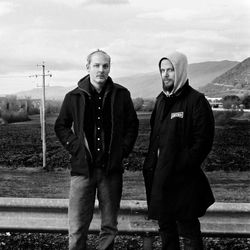
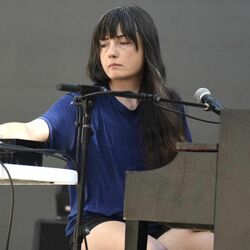
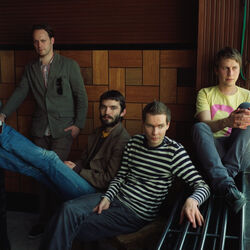
Ambient pushed toward its heaviest, most physical extreme — long-form drone, industrial-adjacent texture, and post-rock's widescreen calm.

The digital generation
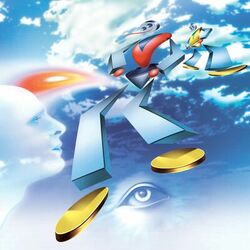
Ambient remade with samplers, granular synthesis, and — in its most recent, internet-native corner — the chopped-and-slowed nostalgia of vaporwave.




Where it came from, where it went
- Minimalism1964
- Ambient1978
- Where it went