Tap any face to see why they're in the photo

Who shaped them

Nobody on the map came before them: they're where this line starts.

Big Star

Big Star

Since 1971 · United States

Memphis in the early seventies was not a city that rewarded the kind of music Big Star were trying to make. Their story

See them on the map

Press ▶︎ to play

Loading…

It really plays! Press the middle

Who they shaped

In front, left to right: Drive-By Truckers, Yo La Tengo, Nick Cave & The Bad Seeds, The Replacements, Pulp, Galaxie 500.

The bigger the face, the stronger the proof: they said it themselvesreporteda critic, or widely accepted

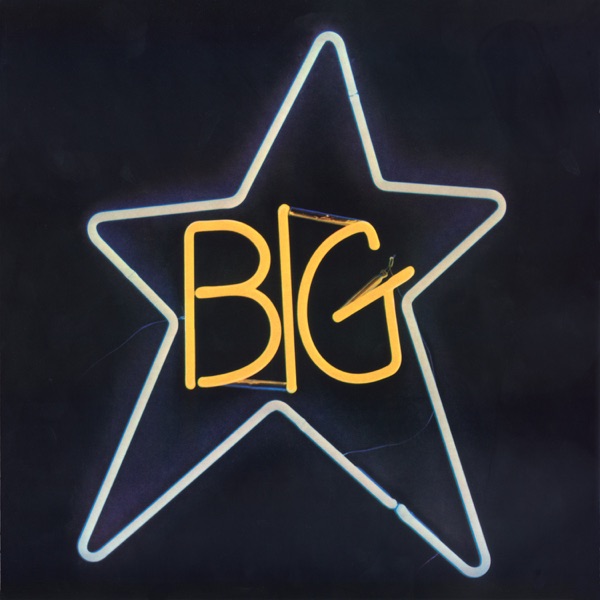
#1 Record cover

Start here

#1 Record (1972)

Alex Chilton and Chris Bell wrote every song in a kind of British Invasion dream — jangling guitars and melancholic harmonies with a distinctly American warmth — yet the album was commercially invisible on release, distributed so poorly it barely circulated outside Memphis. 'Thirteen' is the most nakedly beautiful teenage love song of the decade; 'In the Street' launched a dozen later bands before The Strokes rediscovered it. What the record established, though audiences didn't hear it in time, was the template for every college-radio and jangle-pop scene that followed.

Sleeve notes

Big Star

#1 Record · 1972

Memphis in the early seventies was not a city that rewarded the kind of music Big Star were trying to make. Led by Alex Chilton — a veteran at twenty of the box sets he'd eventually land in, thanks to a number-one hit with the Box Tops at sixteen — and Chris Bell, the group fused the melodic ambition of the British Invasion with the directness of American soul, working in a city where soul and country held the room. The result was #1 Record (1972) and Radio City (1974): two albums of almost perfect power-pop that nobody bought.

Chilton's talent for hooks that feel discovered rather than constructed — melodies that seem to have already existed, waiting for him — gave Big Star a quality rare in any era: music that sounds immediately classic. Bell's layered harmonies and Jody Stephens's understated drumming gave the band a chamber-pop intimacy at odds with the ragged edges of the songs. Decades later, when the Replacements namechecked them in "Alex Chilton," it opened the floodgates. Third/Sister Lovers, the unfinished, emotionally devastating third album, found its cult when the cult was ready for it.

Since 1971 · United States