Tap any face to see why they're in the photo

Who shaped them

The Stone Roses

The Stone Roses

Since 1983 · United Kingdom

The Stone Roses arrived in Manchester in 1989 with an album that felt like a manifesto for something that didn't yet have a name. Their story

See them on the map

Press ▶︎ to play

Loading…

It really plays! Press the middle

Who they shaped

Behind them, left to right: The Smiths, Sex Pistols, The Clash, The Jesus and Mary Chain.

In front, left to right: Brand New, Ride.

The bigger the face, the stronger the proof: they said it themselvesreporteda critic, or widely accepted

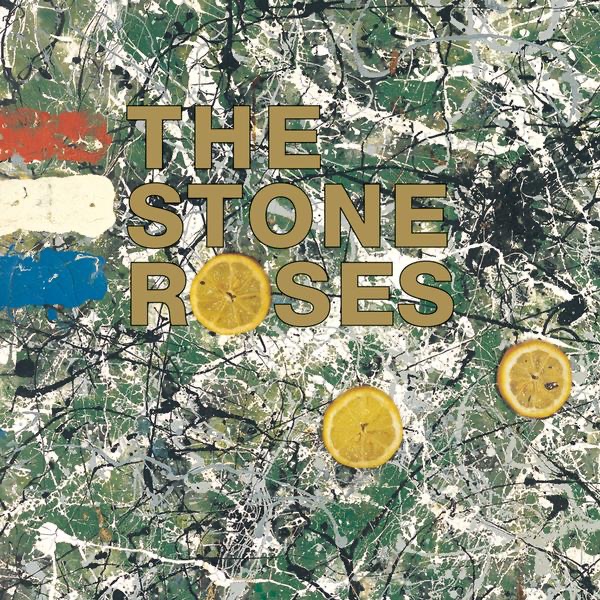
The Stone Roses cover

Start here

The Stone Roses (1989)

John Squire's guitar — borrowing a figure from Led Zeppelin's 'Fool in the Rain' and transforming it into a defining British hook — and Reni's drumming give the album a rhythmic sophistication that most shoegaze and indie albums of the era deliberately avoided. 'She Bangs the Drums' and 'I Wanna Be Adored' are the pop peaks; the ten-minute closer 'I Am the Resurrection' demonstrates the band's capacity for extended improvisation, its funk breakdown transforming a guitar pop song into something closer to krautrock. The album announced the end of post-punk's dominance over British indie music and the beginning of Britpop's foundation.

Sleeve notes

The Stone Roses

The Stone Roses · 1989

The Stone Roses arrived in Manchester in 1989 with an album that felt like a manifesto for something that didn't yet have a name. The combination — John Squire's fluid guitar, Mani's melodic bass, Reni's flowing drumming, and Ian Brown's slightly flat vocals, which somehow made the flatness part of the point — created a sound that was simultaneously indebted to late sixties psychedelia and completely present tense. The Stone Roses (1989) was an independent album that the mainstream received as if it had been sent from the future.

"I Wanna Be Adored," "She Bangs the Drums," "I Am the Resurrection" — each track demonstrated the band's ability to make something that felt both intimate and enormous without raising the volume or accelerating the tempo. The Madchester moment that followed — baggy, ecstasy, the Haçienda — gave them a scene that they slightly transcended. Second Coming (1994), five years in the making and massively anticipated, landed with the sound of expectations being adjusted. The first album remains.

Since 1983 · United Kingdom