Tap any face to see why they're in the photo

Who shaped them

Nobody on the map came before them: they're where this line starts.

John Prine

John Prine

Since 1970 · United States

John Prine was working as a mail carrier in Chicago when he started performing at open mics, and his self-titled 1971 debut arrived with a set of songs… Their story

See them on the map

Press ▶︎ to play

Loading…

It really plays! Press the middle

Who they shaped

In front, left to right: Kurt Vile, Phoebe Bridgers, Fleet Foxes.

The bigger the face, the stronger the proof: they said it themselvesreporteda critic, or widely accepted

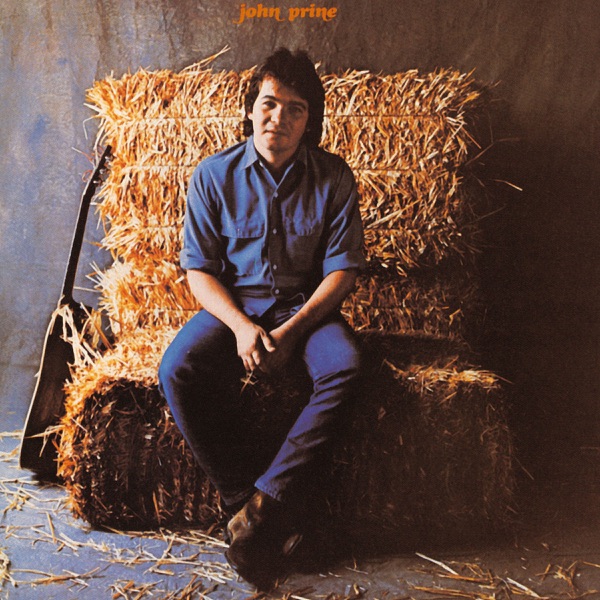
John Prine cover

Start here

John Prine (1971)

Prine's debut arrived fully formed, its plain acoustic arrangements leaving no distance between his conversational delivery and the songs' considerable emotional weight. "Angel from Montgomery," written from the perspective of an aging woman looking back on a disappointing life, shows the empathetic character work that would define his whole catalog. "Sam Stone," about a veteran's addiction and death, does the same for a subject most songwriters of the era treated with far less specificity. It remains one of the strongest, most economical debut albums in American songwriting.

Sleeve notes

John Prine

John Prine · 1971

John Prine was working as a mail carrier in Chicago when he started performing at open mics, and his self-titled 1971 debut arrived with a set of songs — about aging, war, addiction, and rural loneliness — written with an economy and dark humor that immediately drew comparisons to Bob Dylan, comparisons Prine himself found faintly embarrassing given how quickly he'd written most of the material.

He went on to record for five decades, developing a devoted following among songwriters even when his commercial profile stayed modest, and his plainspoken, detail-driven approach to character and place became a direct influence on generations of Americana and folk-adjacent artists. Prine's ability to be simultaneously funny and devastating within the same song, often the same verse, remained the signature of his writing throughout his career.

Since 1970 · United States