Tap any face to see why they're in the photo

Who shaped them

Do Make Say Think

Do Make Say Think

Since 1995 · Canada

Do Make Say Think formed in Toronto in 1995, building a largely instrumental sound around interlocking guitars, horns, and a rhythm section that moves fluidly between rock, jazz, and more meditative, drone-like passages. Their story

See them on the map

Press ▶︎ to play

Loading…

It really plays! Press the middle

Who they shaped

Nobody on the map lists them as an influence yet.

Behind them, left to right: Talk Talk.

The bigger the face, the stronger the proof: they said it themselvesreporteda critic, or widely accepted

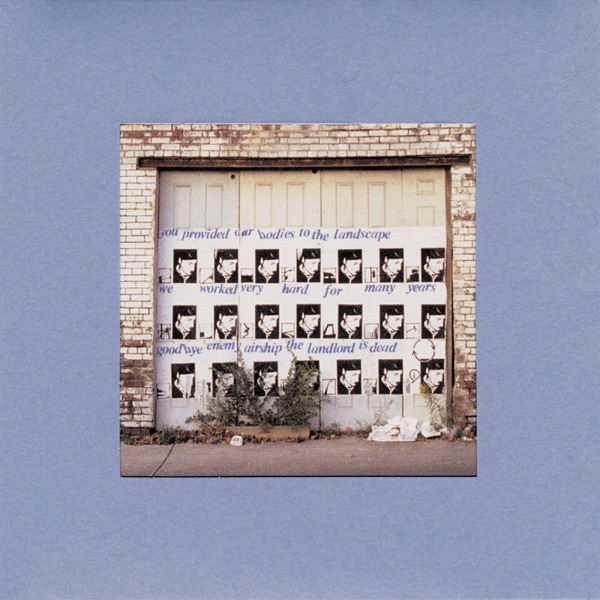
Goodbye Enemy Airship the Landlord Is Dead cover

Start here

Goodbye Enemy Airship the Landlord Is Dead (2000)

Goodbye Enemy Airship the Landlord Is Dead builds its songs through shifting movements rather than any single build-and-release arc, horns and layered guitars trading the melodic lead as the compositions evolve. "Classic Noodlanding" moves through several distinct sections without ever feeling like separate songs stitched together, each part growing naturally out of the last. The denser, more populated arrangements set the band apart from the more austere, guitar-only post-rock of the same era. It's an album that rewards following its structure as much as its texture.

Sleeve notes

Do Make Say Think

Goodbye Enemy Airship the Landlord Is Dead · 2000

Do Make Say Think formed in Toronto in 1995, building a largely instrumental sound around interlocking guitars, horns, and a rhythm section that moves fluidly between rock, jazz, and more meditative, drone-like passages. The band's lineup expanded over the years to include horn players and additional percussionists, giving their compositions a denser, more layered quality than much of the more sparse, minimal post-rock being made around the same time.

Goodbye Enemy Airship the Landlord Is Dead (2000), released on the Constellation Records label associated with the overlapping Montreal and Toronto post-rock scenes of the period, is generally considered among the band's most fully realized records, its long, evolving compositions building through shifting movements rather than a single dynamic arc. Do Make Say Think's continued output across the following decades kept the band closely associated with Constellation's wider roster even as the label's other acts moved in different directions.

Since 1995 · Canada